A clear, healthy pond doesn’t happen by chance, and if you’ve ever struggled with cloudy water, algae blooms, or stressed fish, you’ll know how quickly things can get out of balance. While many pond owners focus on pumps and mechanical filtration, there’s a far more powerful force working behind the scenes: beneficial bacteria in your pond filter.
These microscopic organisms play a vital role in keeping your pond clean and safe by breaking down waste and converting harmful toxins into less dangerous compounds. Without them, even the most advanced filtration system won’t perform effectively. Understanding how pond filter bacteria work and why they’re so important, can transform the health of your pond.
What Are Beneficial Bacteria in Pond Filters?
Beneficial bacteria are microorganisms that live within your pond and its filtration system. Unlike harmful bacteria, these “good” bacteria help maintain water quality by feeding on organic waste.
They typically colonise:
- Filter media (sponges, bio-balls, ceramic rings)
- Pond surfaces like rocks and gravel
- Walls of the pond and pipework
Your pond filter is the ideal environment for these bacteria to thrive, as it provides a constant flow of oxygen-rich water and a steady supply of nutrients.

How Beneficial Bacteria in Pond Filters Work: The Nitrogen Cycle
At the heart of biological pond filtration is a natural process called the nitrogen cycle. While it may sound technical, it’s quite simple:
- Fish waste, uneaten food, and debris release ammonia into the water
- Ammonia is highly toxic to fish, even in small amounts
- Beneficial bacteria convert ammonia into nitrite (still harmful)
- A second type of bacteria converts nitrite into nitrate, which is far less harmful
Nitrates can then be absorbed by plants or removed through water changes or using a product like Nitrate Klear which uses bacteria to break down and digest the nitrates.
This continuous process keeps toxic levels under control and ensures a stable, healthy environment for your fish.
Key Benefits of Beneficial Bacteria in a Pond Filter
1. Improves Water Quality
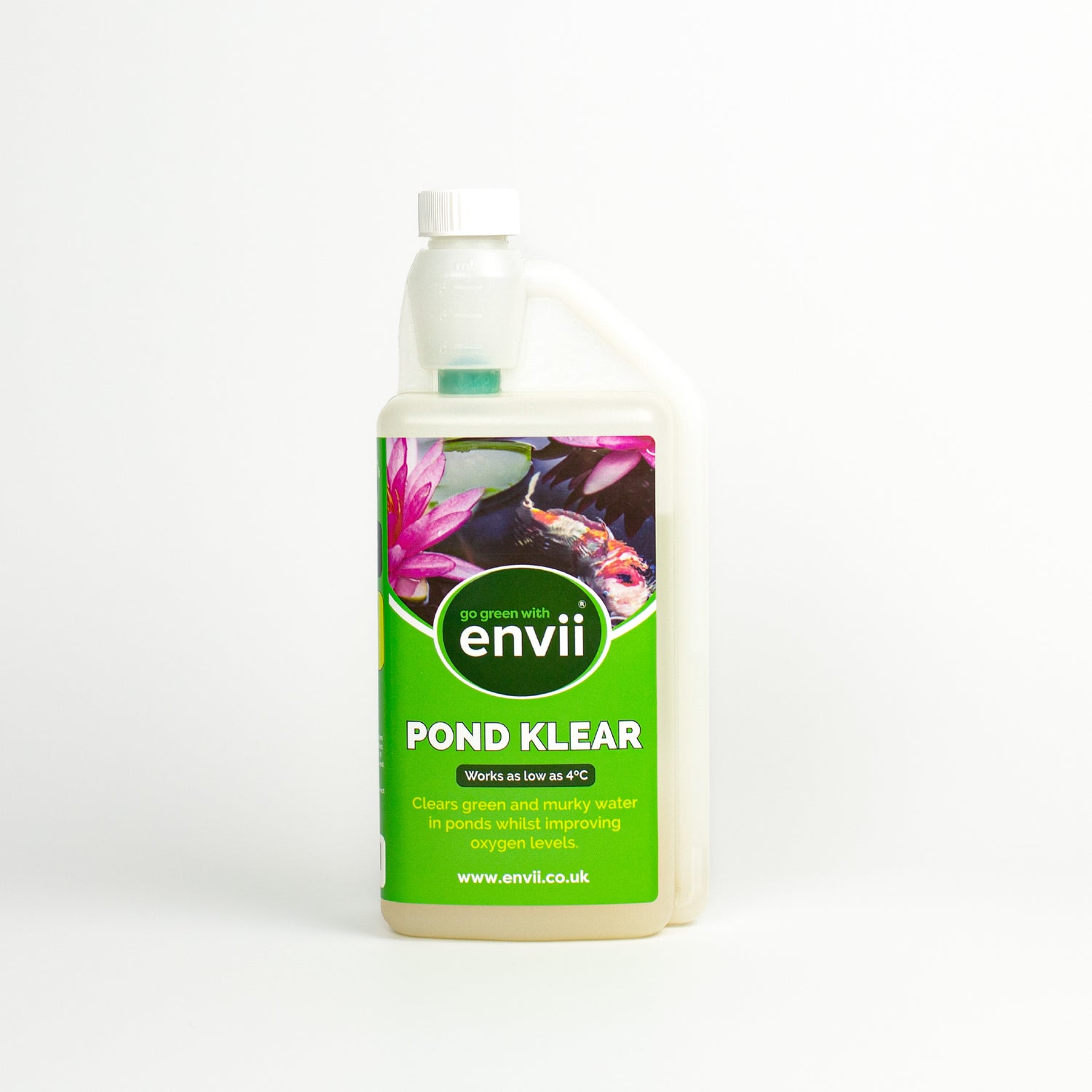
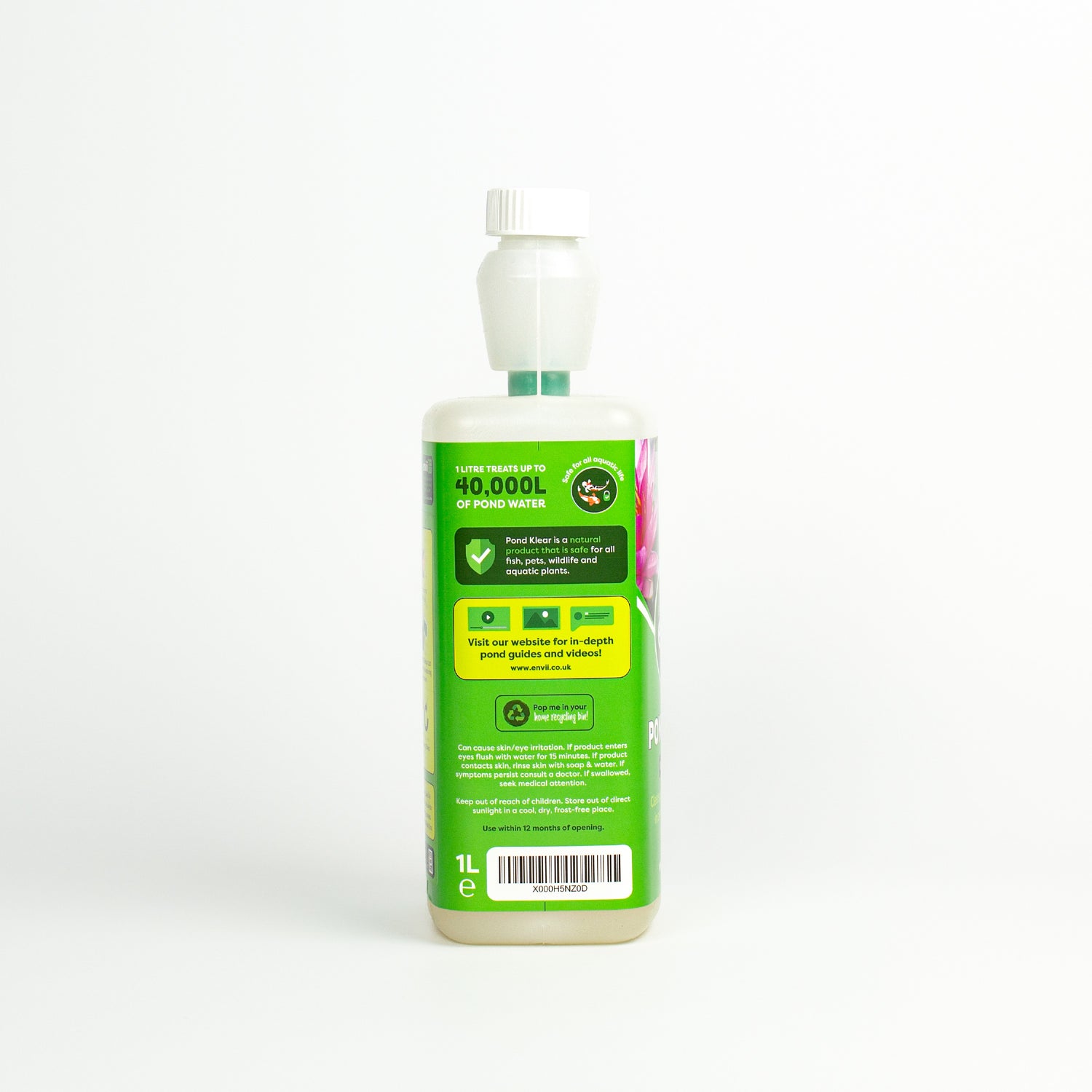
Beneficial bacteria naturally break down organic waste, reducing murky water and unpleasant odours. The result is clearer, cleaner water without relying on chemicals. Bacterial treatments like Pond Klear can accelerate the process by breaking down the organic matter that causes cloudiness, algae growth and poor water quality, using beneficial bacteria to remove excess nutrients in the water.
2. Supports Fish Health
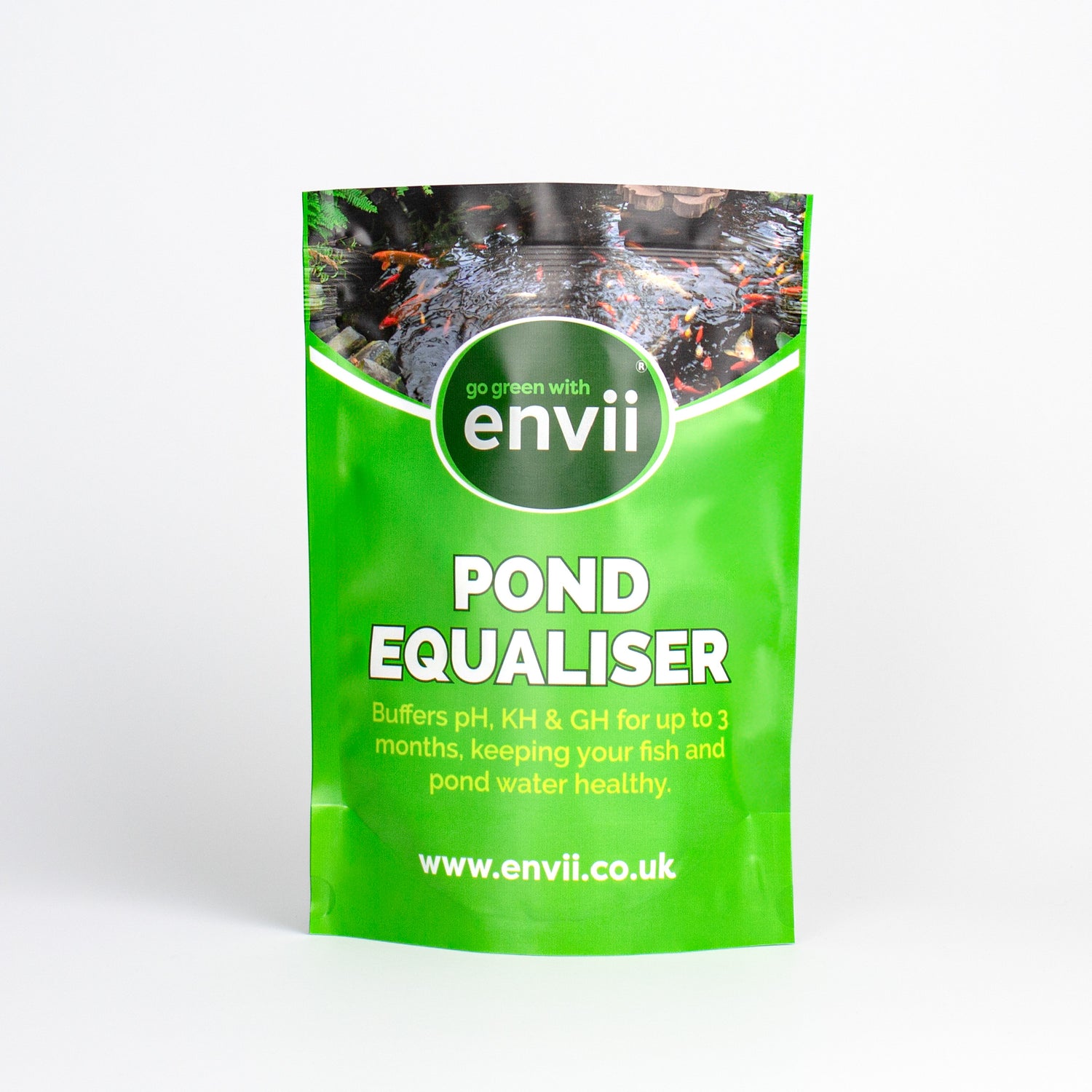
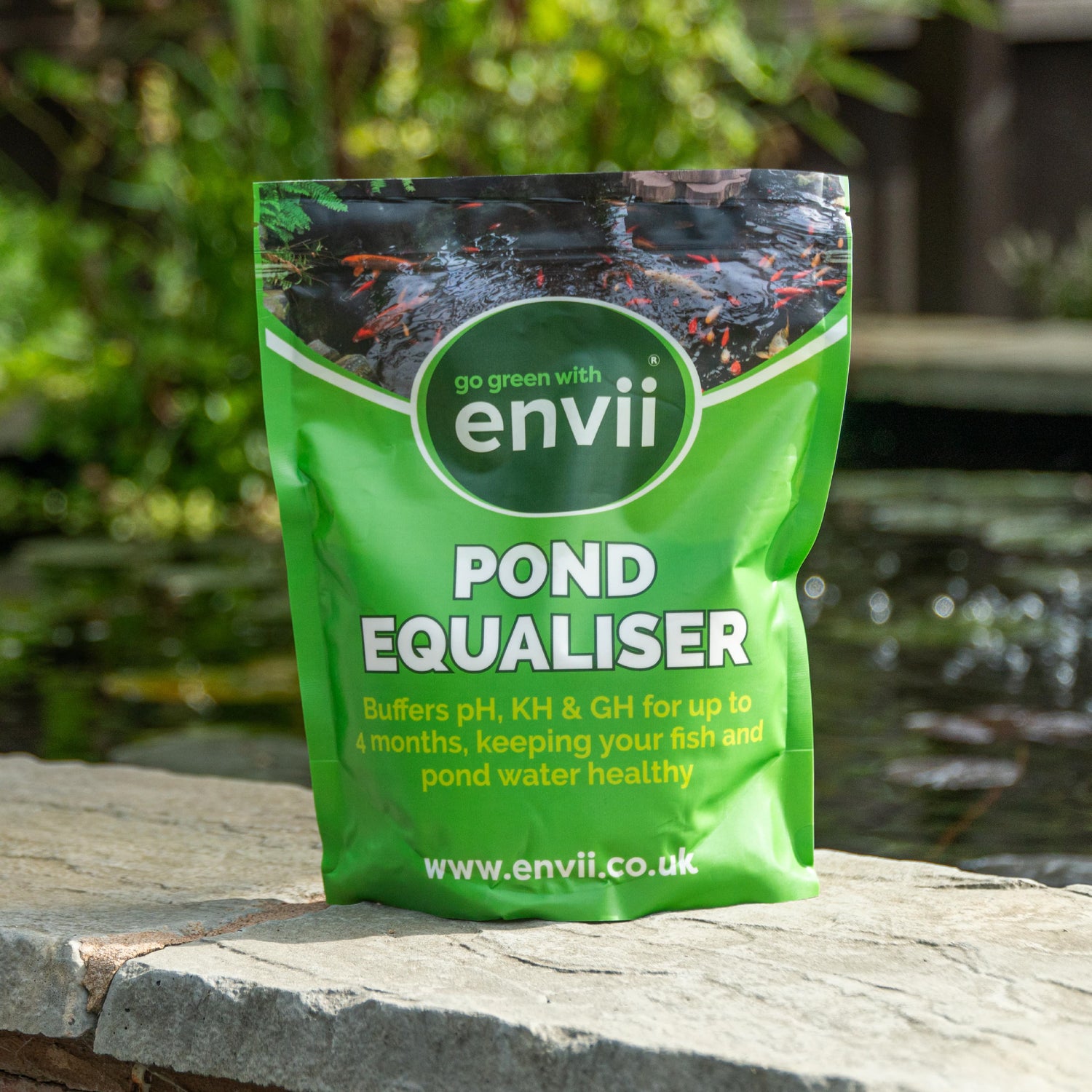
By removing harmful substances like ammonia and nitrite, bacteria create a safer environment for fish. This reduces stress, improves immune function, and lowers the risk of disease. Using a product like Pond Equaliser will remove harmful, toxic metals and ammonia from the water and naturally balances water parameters, without the need for a test kit.

3. Helps Control Algae Growth
Excess nutrients in the water often lead to algae blooms. Beneficial bacteria compete for these nutrients, helping to limit algae growth and maintain balance. If your pond is covered in a green carpet of duckweed, this is a clear sign of excess nutrients in the water. Duckweed thrives on these conditions and can quickly reduce oxygen levels for fish and other plants. If you have a duckweed problem, read our guide on how to get rid of duckweed naturally.

4. Creates a Balanced Ecosystem
A pond with healthy bacterial activity mimics nature. Instead of constantly correcting problems, your pond begins to regulate itself, making maintenance easier and more sustainable.
Types of Beneficial Bacteria in Pond Filters
Not all bacteria perform the same role. The two main types found in pond filters are:
- Nitrifying bacteria – responsible for converting ammonia into nitrite and then nitrate
- Heterotrophic bacteria – break down organic matter like leaves, sludge, and uneaten food
Together, these bacteria form the foundation of effective biological filtration.
How to Encourage Beneficial Bacteria Growth
To get the most from your pond filter bacteria, it’s important to create the right conditions for them to thrive:
- Use high-quality filter media with plenty of surface area
- Avoid over-cleaning your filter, as this can remove beneficial bacteria
- Maintain good oxygen levels, since bacteria need oxygen to survive
- Don’t overstock or overfeed fish, which can overwhelm the system
- Consider adding bacterial supplements to boost colonies, especially in spring or after cleaning
Consistency is key—healthy bacteria populations take time to establish but are essential for long-term pond stability.
Beneficial bacteria are present in every pond – in varying quantities – even those without a pump. If you want to improve oxygen and bacteria levels in a pond without a pump, head to our guide on how to oxygenate a pond without a pump.
Common Mistakes to Avoid
Even well-maintained ponds can run into problems if beneficial bacteria are disrupted. Watch out for these common mistakes:
- Cleaning filter media with chlorinated tap water – if using tap water, use a dechlorinator such as Chlorine Klear
- Turning off your filter for extended periods
- Overstocking fish beyond your filter’s capacity
- Overfeeding, leading to excess waste buildup
Avoiding these pitfalls will help protect the bacteria that keep your pond functioning properly.
Frequently Asked Questions
How long does it take for beneficial bacteria to work in a pond filter?
It can take anywhere from a few days to several weeks for bacteria to establish, depending on water temperature, oxygen levels, and nutrient availability.
Can a pond filter work without beneficial bacteria?
Without beneficial bacteria, harmful toxins like ammonia can build up, making the water unsafe for fish.
Do I need to add bacteria to my pond filter?
While bacteria occur naturally, adding supplements can speed up the process, especially in new ponds or after cleaning.
In Summary,
Beneficial bacteria are the backbone of any effective pond filtration system. They work continuously to break down waste, remove harmful toxins, and maintain a balanced ecosystem, helping you achieve clearer water and healthier fish with less effort.
By understanding and supporting these microscopic helpers, you can turn your pond into a self-sustaining environment that requires less maintenance and delivers better results year-round.
If you’re looking to improve your pond’s performance, investing in the right filtration system and supporting beneficial bacteria growth is one of the smartest steps you can take.