While this tiny floating plant can look harmless, it spreads rapidly, blocks sunlight, reduces oxygen levels, and can quickly throw your pond’s ecosystem out of balance. The good news? You don’t need harsh chemicals to get it under control. With the right natural methods, you can remove duckweed effectively while protecting fish, wildlife, and the long-term health of your pond.
What Is Duckweed?
Duckweed is a fast-growing aquatic plant that floats on the surface of calm, nutrient-rich freshwater ponds, lakes, and canals.
From a distance, duckweed can look like a dense green blanket over the surface of the water. Up close, duckweed is comprised of thousands of tiny, rounded leaf-like bodies, less than 5mm in diameter, with a small, submerged root under the surface of the water.
It’s a key player in the ecosystem of a pond, and leaving it alone has both advantages and disadvantages.

What Are The Benefits Of Duckweed?
Duckweed provides shade for your water and any livestock living in the water, keeping the temperature of the water consistent for fish. Shading your pond can prevent UV from getting into the water, which will prevent a bloom of algae.
It is also a food source for waterfowl such as ducks and geese that might visit, and a habitat for amphibians who might like to set up home in your pond.
Why Is Duckweed A Problem?
Duckweed is fast-growing and can double in size every 2-3 days, making it one of the fastest-growing plants. With such rapid growth, duckweed forms a dense mat across the surface of the water. This blocks sunlight from reaching submerged plants, limiting photosynthesis and oxygen production. As thick layers of duckweed die and decompose, oxygen levels can drop further, putting fish and beneficial bacteria under stress.
Oxygen is crucial in a pond to maintain healthy fish and support their respiration. It also enables beneficial bacteria to break down waste and reduce sludge build-up, prevent toxic gases, and suppress algae growth.
Whether you have duckweed or not, it’s always beneficial to know how you can improve your pond’s oxygen levels. You can find out more in our guide to Oxygenating A Pond Without A Pump.

Can Duckweed Be Removed Naturally?
To remove duckweed from the surface of your pond naturally, it is just as simple as skimming the top of the surface with a net to catch it.
Use a fine mesh pond net or pool skimmer to collect the duckweed. If you’re conscious of any wildlife that might be living in it, leaving the net full of duckweed on the side of your pond for 24 hours to allow any small insects or tadpoles to return to the water as the duckweed dries out – avoid doing this on a windy day, as the duckweed may blow back into the water.
The duckweed can be left on a tray or a surface away from the water's edge to dry out completely. Do not throw it straight onto your lawn or into drains or waterways, due to the invasive nature of duckweed and the possibility that it will grow back.
Because duckweed is rich in nutrients and high in nitrogen, it is an ideal substance to add to your composting pile or bin, provided it is far away from water sources. Allow it to dry out completely before adding to an uncovered pile, or you can add it while still damp to a sealed compost bin.
If you just want to be rid of the duckweed, then you can place it in a sealed rubbish bag and place it in your general waste bin.
Removal of duckweed with a net or skimmer will need to be done regularly. Spawns of duckweed may remain unseen in the water, and it grows rapidly. It is likely to grow quicker in summer when the water is warmer, and slower through spring and autumn. We would recommend removing it as soon as you spot it, to avoid growth and to keep your water full of nutrients.

How To Prevent Duckweed Returning
Natural duckweed removal isn’t just about skimming the surface. long-term control depends on improving water quality and reducing nutrient levels.
1. Improve Water Circulation And Aeration
Duckweed thrives in still water, so aim to improve aeration and circulation of water. Installing a pump is the quickest but also the most expensive option – there are plenty of other ways to improve the circulation of water.
Installing a small waterfall or water feature, even a floating solar-powered water fountain, will improve the circulation of water. Alternatively, try to encourage movement in the water naturally. Natural pond features such as shallow shelves, gently sloping edges, pebble beds, and strategically placed rocks encourage water movement and circulation.

2. Reduce Excess Nutrients (The Root Cause)
Excess nutrient levels can occur in any pond but are easily fixed.
Waste in the water, such as fish waste and uneaten fish food, will release more nutrients into the water. Ensure that you don’t have too many fish for the size of your pond and prevent overfeeding. If your fish aren’t eating the food, remove the food from the water with a net to prevent it from breaking down in the water.
Decaying leaves, twigs, and grass from your garden can cause excess nutrients if they land in your water and are left there to decay. Make sure you’re removing plant debris from your pond, particularly in autumn when trees are more likely to drop their leaves and in windier weather.
Decaying matter of any kind can lead to a buildup of sludge in the water.

3. Introduce Natural Competitors
Natural competitors for duckweed include other fast-growing aquatic plants that compete for nutrients and sunlight, as well as specific organisms that feed on it. Because duckweed thrives on high nutrient levels (nitrogen and phosphorus) and still water, the most effective natural competitors are those that alter these conditions.
Plants like water ferns and water hyacinths will compete with the duckweed for light and space, while large-leaved floating plants will reduce the sun exposure that duckweed needs to thrive. Planting trees or shrubs around the sides of your pond can also limit sunlight to the pond, but don’t forget to check for plant debris regularly.
Adding fish that feed on the duckweed can also rapidly decrease the population of duckweed. Fish such as goldfish, koi, and grass carp are species that eat duckweed. We recommend understanding how to provide the perfect pond environment for fish before putting some in just to clear duckweed.

4. Natural Pond Treatments
It’s possible to give your pond a little helping hand without the use of chemicals. There are several effective, all-natural treatments designed specifically to improve water quality and, in turn, prevent duckweed.
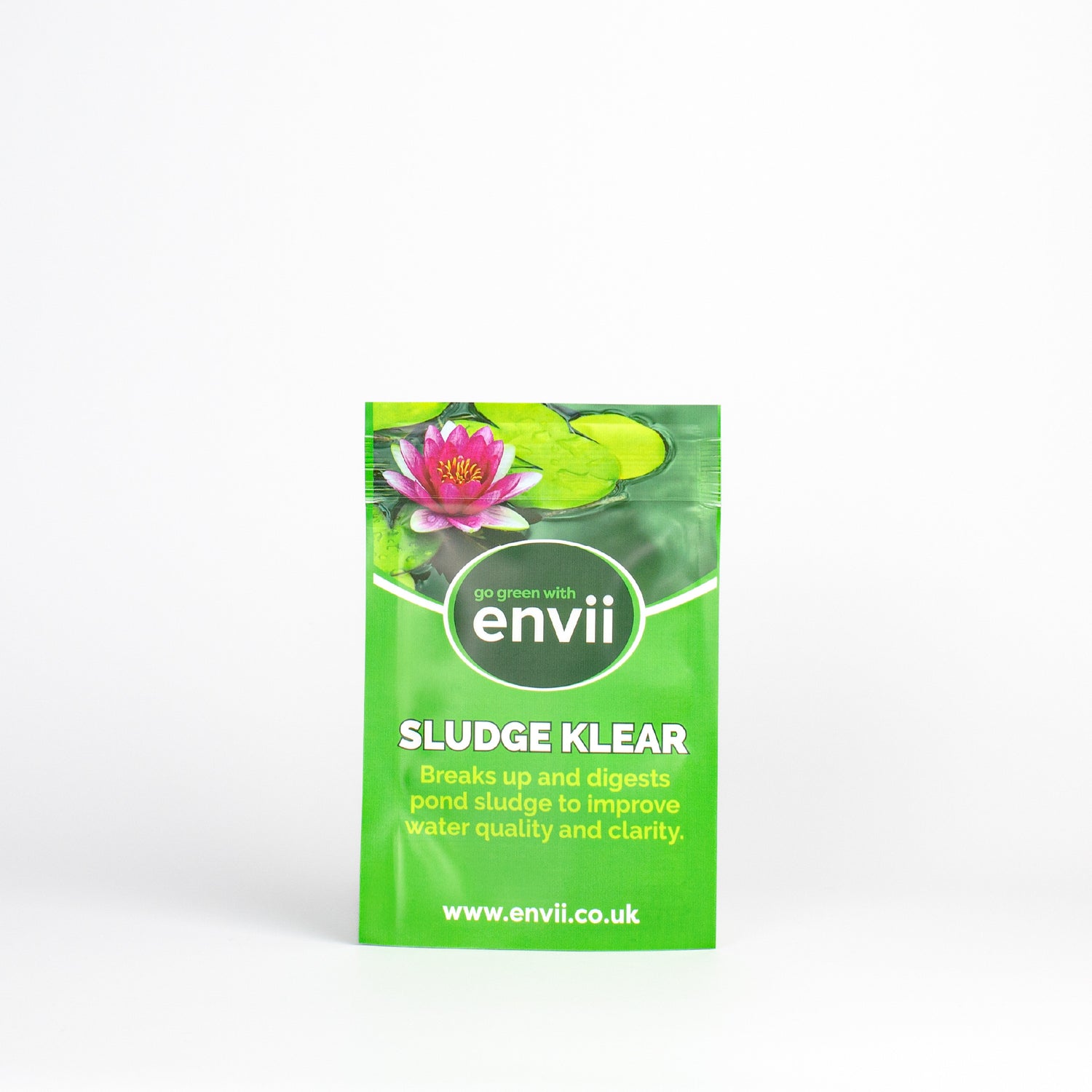
Sludge Klear is a natural pond sludge remover that uses millions of beneficial bacteria to break down and target pond sludge. Sludge in pond water provides excess nutrients and comes from waste such as decaying plant material or uneaten fish food. As we already know, excess nutrients = more duckweed.
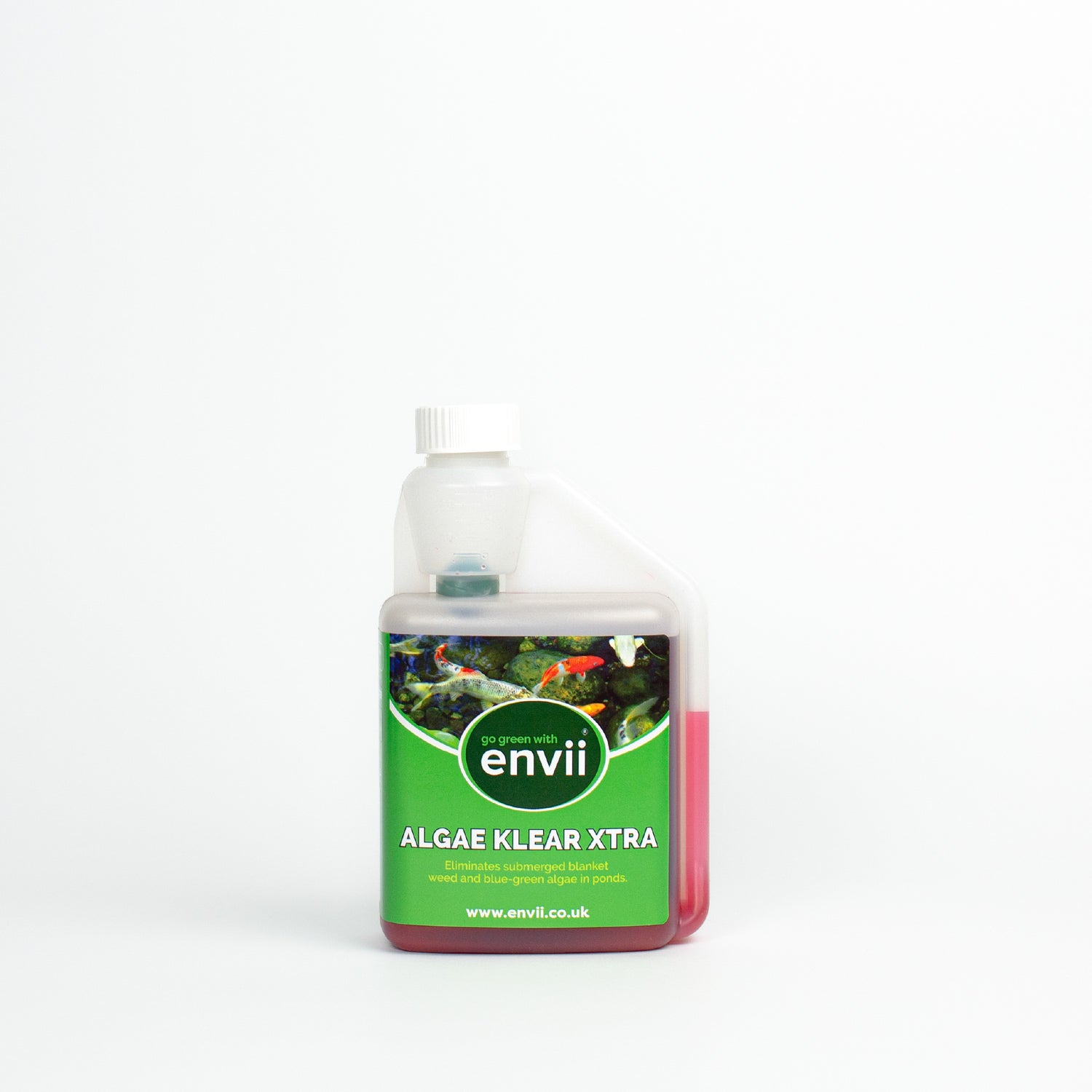
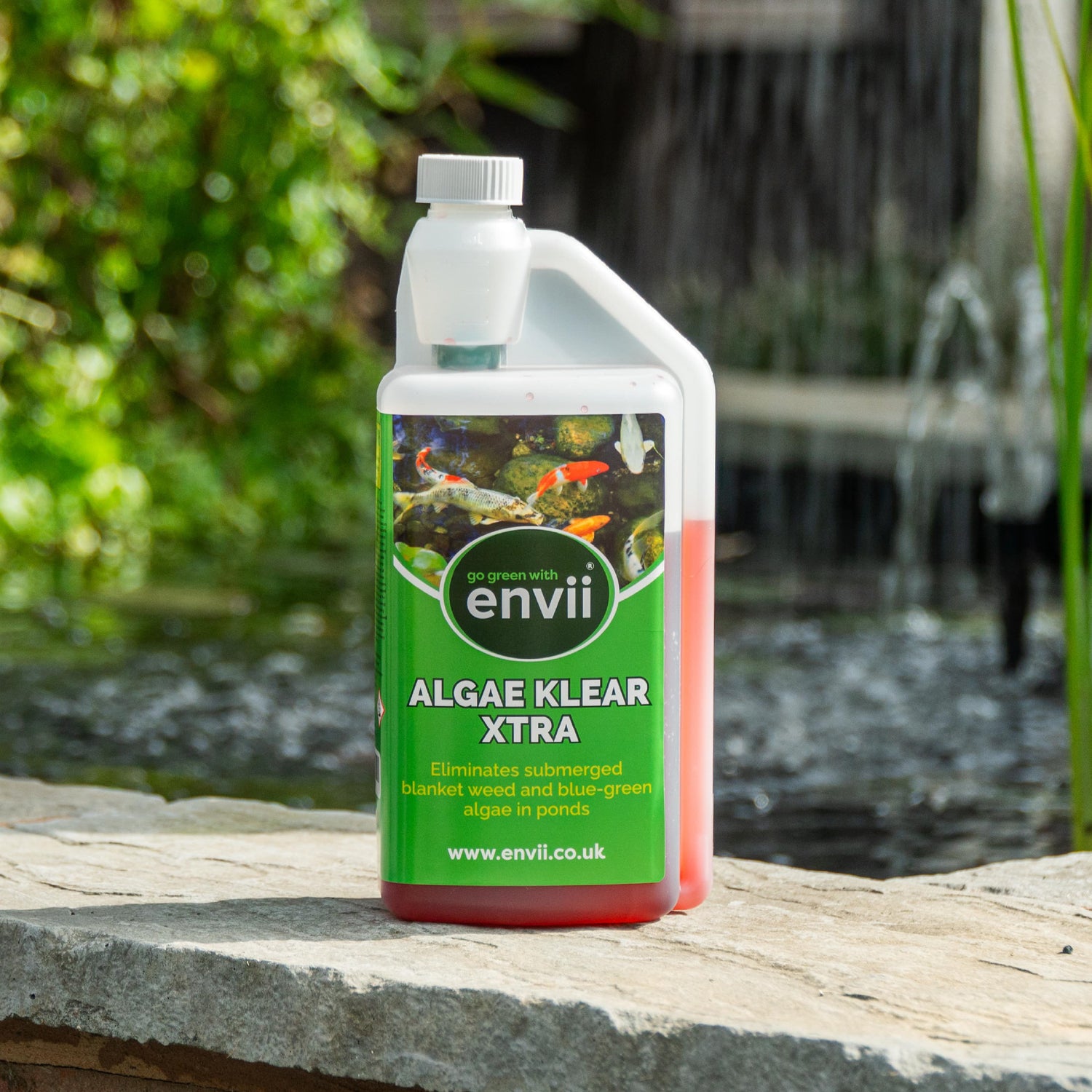
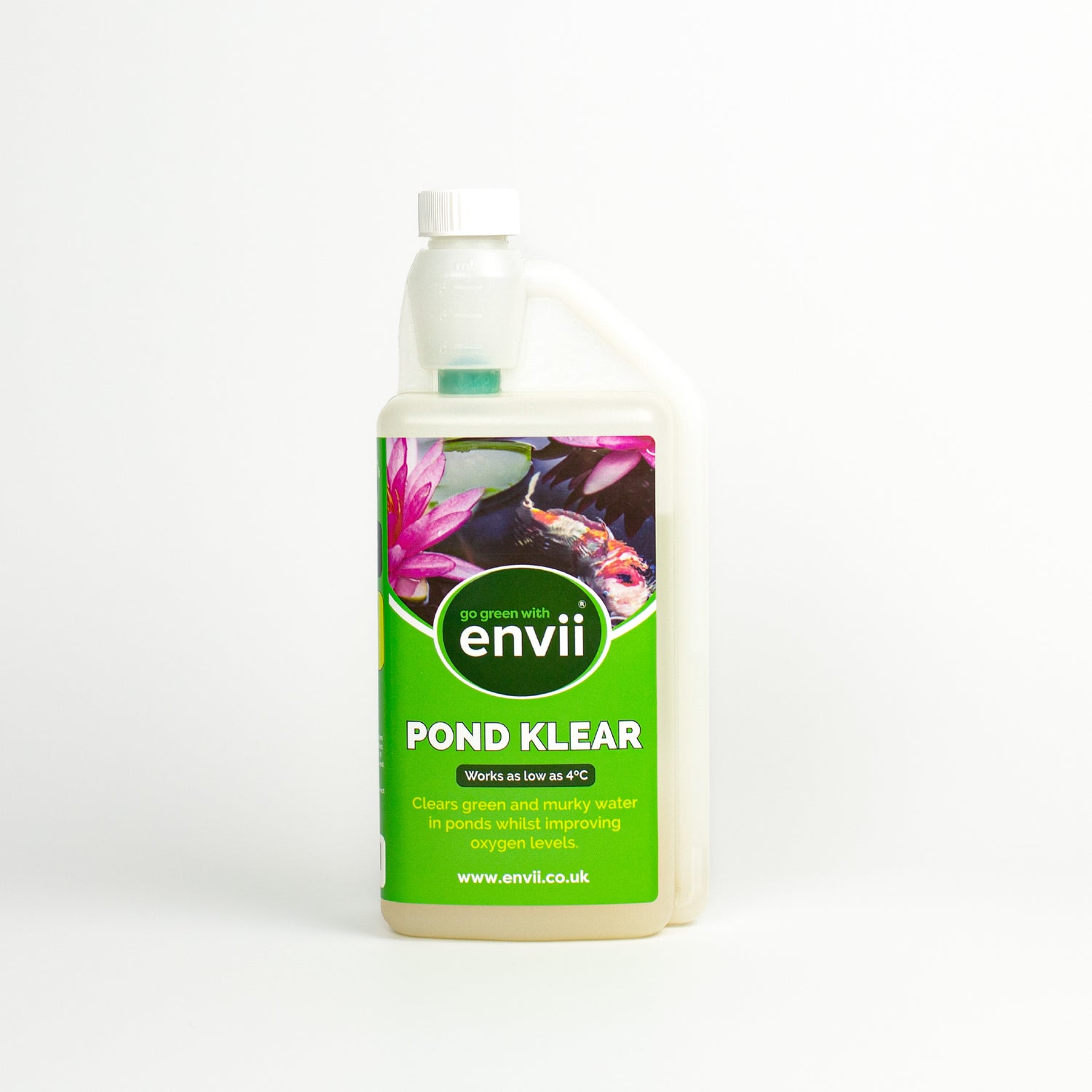
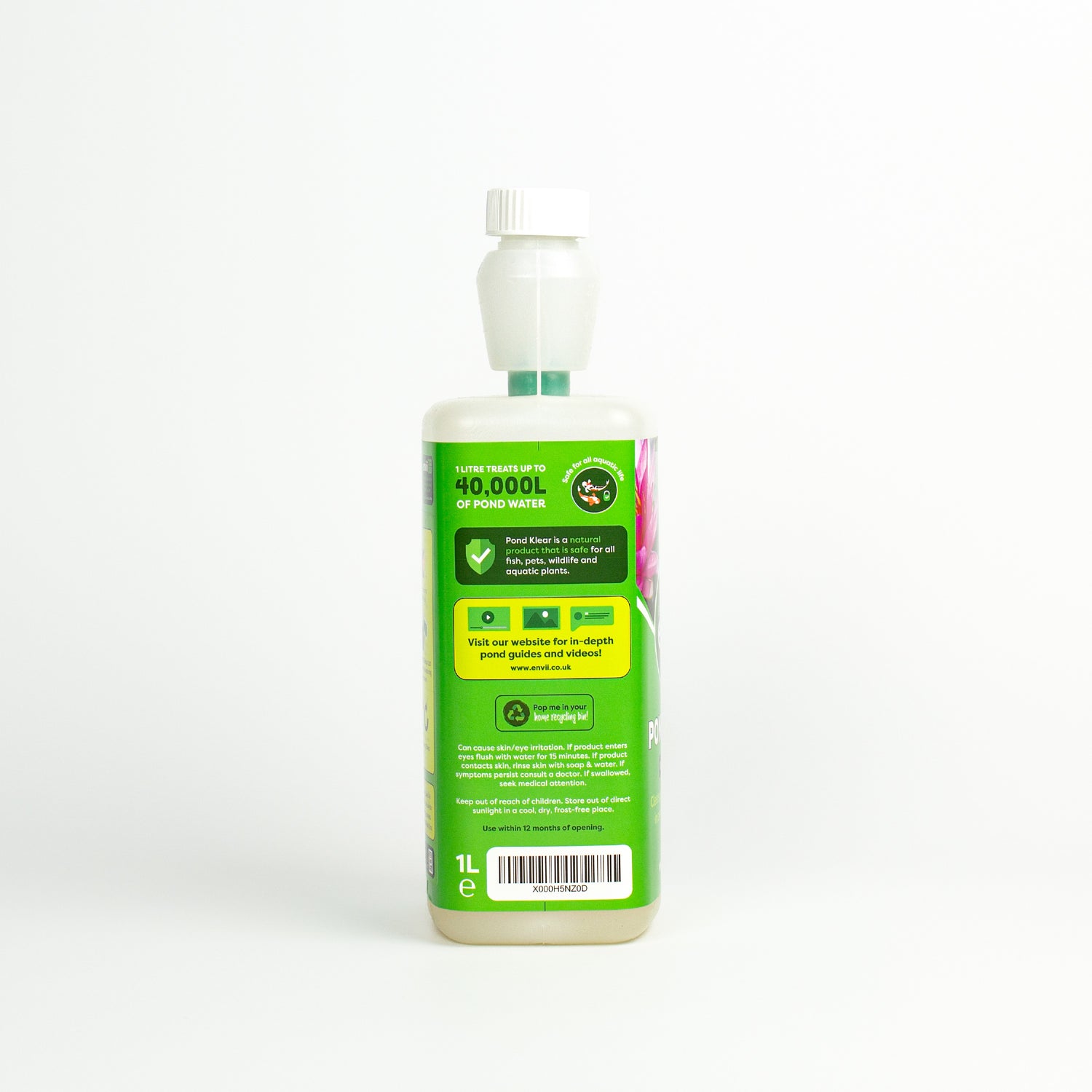
Pond Klear targets and breaks down the organic matter that causes cloudiness, algae growth, and poor water quality. This powerful yet gentle treatment works effectively to reduce excess nutrients in the water, helping to prevent algae blooms and improve overall water clarity. Use Pond Klear Xtra for larger ponds or for an extra punch from its 3x more bacteria.
For much larger water sources, Lake Klear is a highly effective water treatment that harnesses the power of billions of beneficial bacteria to target and eliminate the organic matter that duckweed and algae feed on. The bacteria in Lake Klear work to control common water issues such as blanket weed, duckweed, and green water, improving the overall health of your lake or pond.

5. Natural Pond Dye
Natural pond dye can also help prevent duckweed by safely reducing the amount of sunlight penetrating the water. Less light means slower growth for duckweed and algae, without harming fish or wildlife. This can be bought from many pond companies.
Why Does Duckweed Keep Coming Back?
Even with all the above preventative measures, you may still find duckweed appearing occasionally. There are some anomaly situations that may cause duckweed to come back.
Duckweed can get stuck to the feet or feathers of any birds or wildlife that visit your pond. They can carry it from pond to pond without being detected.
It could also get stuck to plants, nets, and boots when removing the duckweed – cleaning may not thoroughly remove all the spores, and so you may add it to your water inadvertently.
Whilst these situations are harder to prevent, the best thing you can do is just remove the duckweed as soon as you see it appear again and maintain good quality pond water. Even with consistent maintenance, some ponds experience persistent duckweed problems.

Duckweed doesn’t have to take over your pond. With regular maintenance, improved water circulation, and careful nutrient management, you can control and prevent duckweed naturally without harming fish or wildlife. The key is consistency - tackling small outbreaks early and addressing the root cause rather than just the symptoms. If you stay proactive, your pond can remain clear, balanced, and healthy all year round.