Geraniums are a favourite in gardens, window boxes, and patios thanks to their bright blooms and low-maintenance reputation. There’s one question that trips up a lot of gardeners: do they actually come back every year? The answer isn’t as straightforward as you might think. Some geraniums behave like perennials, returning year after year, while others are treated as annuals depending on your climate. In this guide, we’ll break down the different types of geraniums, explain whether they’ll survive the winter in your area, and show you exactly how to help them come back stronger each season.
What Do People Mean by “Geraniums”?
Geraniums are usually divided into True Geraniums and Pelargoniums.
True Geraniums – or Cranesbill – are hardy, perennial and are symmetrical flowers with five identical petals, often in shades of blue, purple and pink.
Pelargoniums – a variety of Geraniums – are shrubby plants, typically grown indoors or as annuals as they cannot survive frost. They are asymmetrical, often with two upper petals different to the lower three, and often coming in vibrant shades of orange, red, pink and white.
The difference between these plants may not matter to some when it comes to appearance, but the differences matter when it comes to them growing back year on year.
True Geraniums die back to the ground in autumn/winter, with their roots remaining dormant. They are able to withstand frost, snow and freezing temperatures. They will grow back on their own once spring comes around. Due to their hardiness, they are often used in flower beds as ground covering plants.
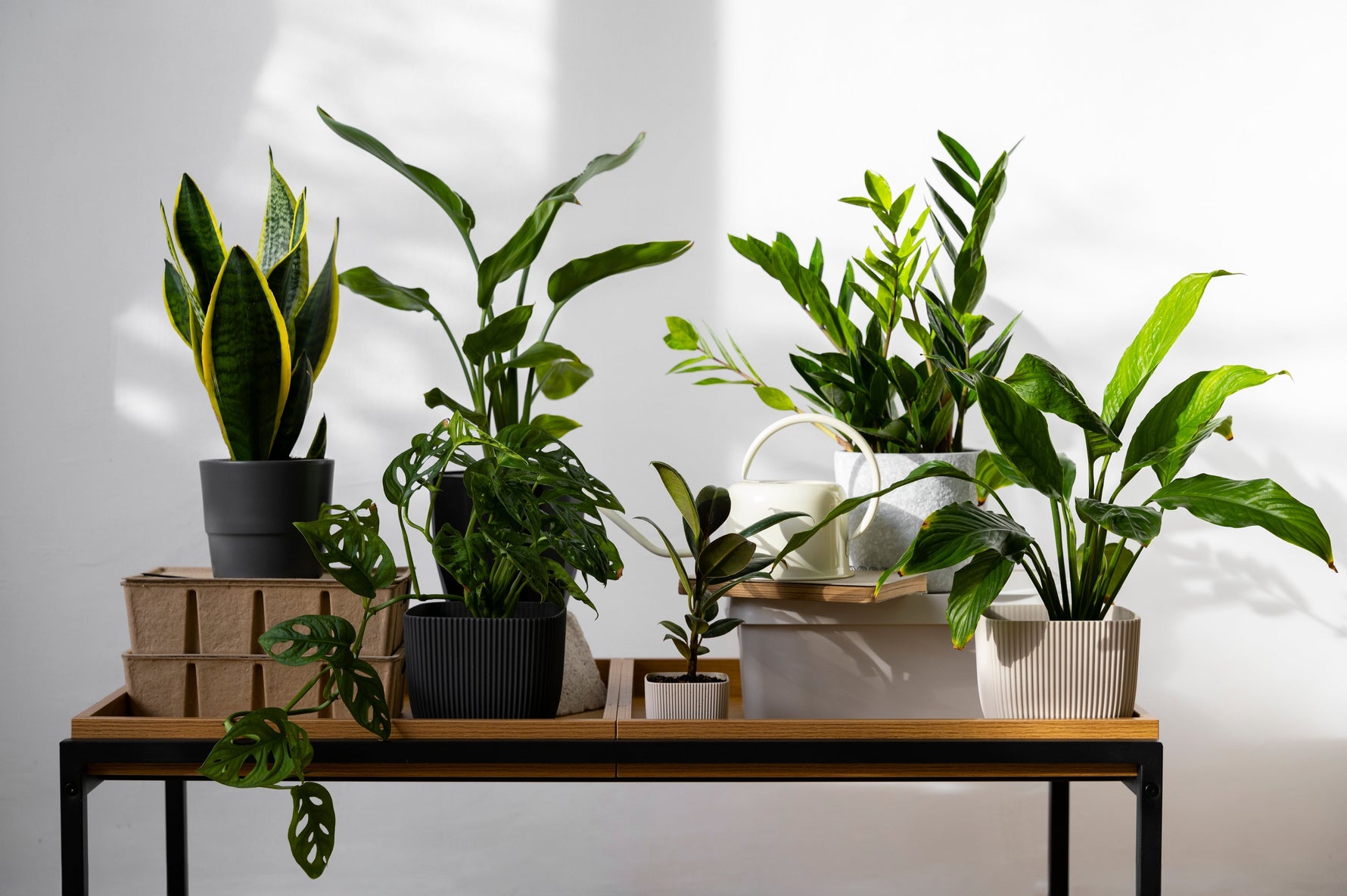
Pelargoniums are tropical, tender plants that do not survive frosts or freezing temperatures. If planted outside and left through winter, they will die off and will not return. They can be encouraged to return but that involves bringing them indoors to greenhouses or sunny windowsills before the first frost hits. Due to their sensitive nature, they make great houseplants.
Are Geraniums Perennials or Annuals?
Some Geraniums do come back every year, but not all.
Hardy geraniums tend to be perennials and are tolerant to drought, freezing temperatures, frosts and are low maintenance plants. They can thrive in sunny to partially shaded areas of the garden. They will die back to ground with their roots lying dormant underground and will bloom again in spring when temperatures warm up.
Pelargonium varieties, on the other hand, are known as tender perennials or annuals – they are able to come back every year with some help and TLC. They are not frost hardy and so if left outside during autumn/winter, they will die completely, unable to return. If they are brought indoors when the first frost hits – a process known as overwintering – they can be saved and encouraged to grow back year after year.
How to Make Geraniums Come Back Every Year
True geraniums do not need any special care or attention to ensure they come back every year – they will naturally bloom again once spring comes around and temperatures increase. To give them the very best chances, it’s always advisable to provide well-drained soil and appropriate sunlight. Soil that is too soggy and can’t dry out could end up drowning your geraniums, and not enough sun will hinder their photosynthesis. You could trim them down to prevent any diseases. That said, true geraniums are hardy and require minimal fuss; overcare can sometimes do more harm than good.
Pelargoniums, on the other hand, will need overwintering. This is common for lots of plants and involves bringing them indoors when the first signs of frost appear, particularly as UK winters are just too cold to keep them outdoors. Because of their need to be brought indoors, pelargoniums are best suited as potted plants rather than bedding plants – you don’t want to be digging them up every autumn!
Overwintering: 3 ways
There are 3 methods to overwinter geraniums.
The Potted Method
The easiest method; before the frost, cut back plants to 6-8inches. Move them into pots (if they’re not already in pots) and place the pots in a cool but bright, sunny spot like a windowsill or a greenhouse. Water them only when the soil has completely dried out.
The Bare-Root Method
The space-saving method; this method is suitable for plants that have been planted in the ground rather than pots. Dig up the plants, shaking off the excess soil, and remove leaves and flowers. Place the bare roots upside down in a paper bag and place in a cool, dark, dry place, like a cellar or a shed, ensuring you keep them as dry as possible. Check on them monthly, looking out for rot or mould.
The Cutting Method
Take 3-4 inch cuttings of the plants in late summer, before autumn hits. Dip the cuttings in rooting hormone such as Root Well, and plant in pots. Keep the pots on a windowsill to grow as house plants over winter.
For more detail, see our Complete Guide to Overwintering Geraniums.
How To Revive Geraniums in Spring
About 6-8 weeks before the last frost of winter you can re-pot your stored bare-roots and remove any dead, brown or shrivelled stems. Place these new pots in a sunny spot like a windowsill.
Tip: using Root Well when re-potting your plants will increase the uptake of nutrients and water, protecting your new plant against pathogens and supporting it’s root development and health as it grows.
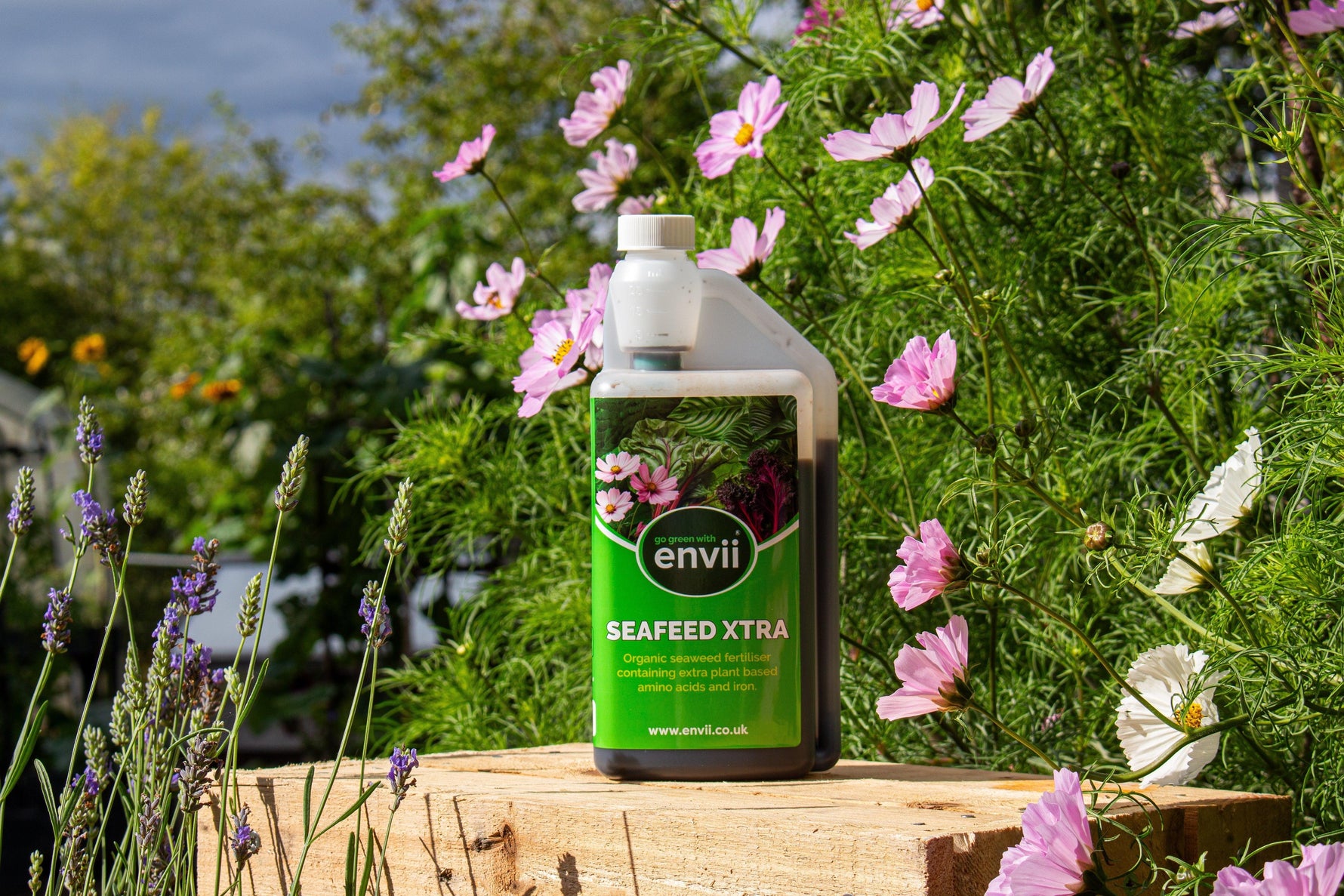
Keep all plants indoors in their warm, sunny spot, until the danger of frost has passed. They need small amounts of water, increasing as greenery appears. Gradually harden the plants by placing them outside for a few hours a day when the sun is out, before eventually reintroducing them to the garden permanently. Once new growth has appeared, use a fertiliser to encourage healthy growth.
Common Mistakes That Stop Geraniums Returning
Mistakes made during autumn/winter and in the overwintering process are the most common reasons that prevent pelargoniums returning.
Common mistakes include:
Leaving them outside rather than bringing them indoors before the first frosts
Overwatering in winter – they require very little water when dormant, too much water can cause rot
Storing plants in total darkness – they still need some light to survive which is why a sunny windowsill is ideal (bare-roots can be stored in darkness)
Allowing soil to freeze – if they’re placed in a greenhouse, garage or shed, the soil may get too cold and frozen stems will not recover
Geraniums can absolutely come back every year, but it all depends on the type you’re growing and how you care for them. Hardy geraniums will return reliably with very little effort, making them a great low-maintenance choice for UK gardens. Pelargoniums, on the other hand, need a bit more attention, but with the right overwintering method, they can thrive for years rather than being replaced each spring. By understanding the difference and preparing your plants for winter, you can enjoy colourful, healthy blooms season after season.