The best flavour comes from your own garden. Growing strawberries is easier than most people think, and whether you have a sprawling backyard, a small raised bed, or a single container on a balcony, these vibrant red berries are well within reach. In this guide, you’ll discover how to turn a handful of plants into a thriving strawberry patch and enjoy fresher, sweeter fruit than you ever thought possible.
So, how to grow strawberries
Timing
As with most things in gardening, timing is everything when it comes to strawberries. In the UK, the best time to plant bare-root strawberry plants is from late autumn (September–October) through to early spring (March–April). Planting during these cooler months allows the roots to establish before the plant puts energy into leaf and fruit production, leading to stronger plants and better harvests later.
Potted strawberry plants are more forgiving and can be planted at almost any time of year, as long as the soil isn’t frozen, waterlogged, or experiencing extreme heat. Generally, March to September is ideal. Avoid planting during very hot spells, as young plants can struggle to establish and may dry out quickly.
By choosing the right planting window, you give your strawberries the best possible start, setting them up for healthier growth and more abundant fruit.

Site and Soil
Strawberries love sunshine, and the more they get, the better your harvest will be. Choose a location that gets at least 6–8 hours of full sun each day. Sunlight is essential for producing sweet, flavourful berries and for helping plants stay healthy and productive.
Soil quality is just as important. Strawberries prefer fertile, well-drained soil with a slightly acidic to neutral pH, ideally between 5.5 and 6.8. Heavy, waterlogged soil can cause roots to rot, while poor soil will limit growth and fruit production. If needed, improve your soil by mixing in well-rotted compost or organic matter before planting.
Try Activearth, a powerful soil improver designed to enhance plant growth and soil health. Packed with essential nutrients like calcium and magnesium, Activearth supports natural processes that nourish your soil and boost plant performance. Whether you're nurturing allotments or flower beds, Activearth is the perfect solution. For allotments, use it at the end of the growing season to break down plant roots and other organic material, releasing valuable nutrients back into the soil to support future growth. In flower beds, it ensures rich, fertile soil that promotes vibrant and healthy blooms.
It’s also important to consider what’s been grown in the area previously. Avoid planting strawberries where tomatoes, potatoes, peppers, aubergines, or chrysanthemums have been grown recently. These plants can leave behind soil-borne diseases, particularly verticillium wilt, which strawberries are highly susceptible to.

Planting
Strawberries are wonderfully versatile and can be grown in garden beds, vegetable patches, raised beds, hanging baskets, containers, and pots, making them ideal for gardens of all sizes.
If planting in the ground, space plants 12–18 inches (30–45 cm) apart. This allows good air circulation, reduces the risk of disease, and gives each plant enough room to spread. In containers or pots, spacing can be closer, but try to leave a few inches between plants to avoid overcrowding.
Planting depth is absolutely crucial. The crown - the point where the leaves meet the roots - must sit exactly at soil level. If planted too deeply, the crown can rot; if planted too high, the roots may dry out. Take your time with this step, as correct planting depth has a big impact on plant health and productivity.

Care, Maintenance and Protection
Once planted, strawberries are relatively easy to care for, but a little attention goes a long way.
Keep the soil consistently moist, especially during flowering and fruiting. Avoid letting plants dry out completely, but don’t allow them to sit in soggy soil either. Water deeply so moisture reaches the roots, and pay extra attention to potted plants, which dry out more quickly than those in the ground.
Adding a layer of straw or mulch around the plants is highly beneficial. It helps to:
- Keep developing fruit clean and off the soil
- Retain moisture in the soil
- Suppress weeds
- Reduce the risk of fungal diseases
Feed your plants with a balanced fertiliser, particularly in spring and after harvesting, to support strong growth and fruit production.
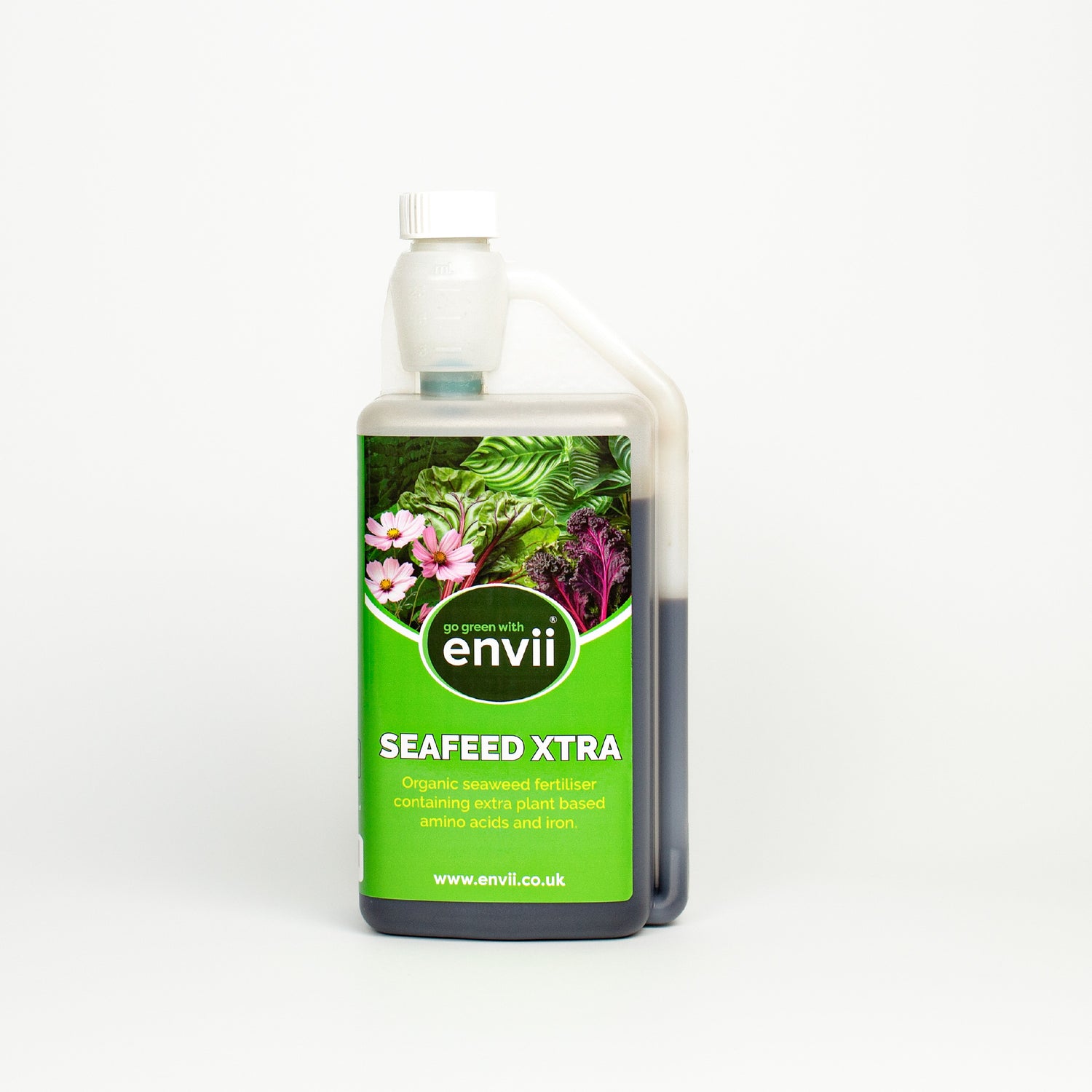
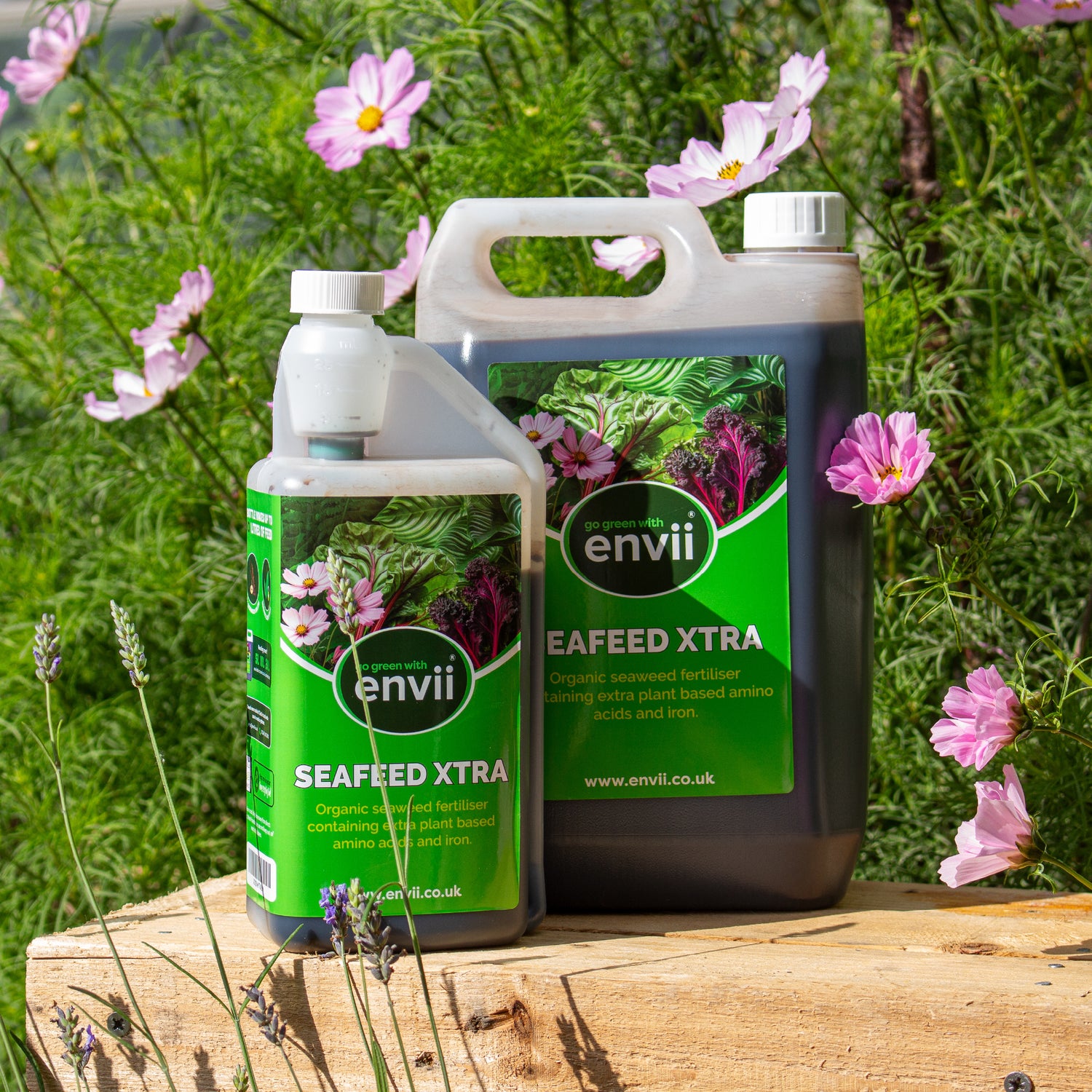
A seaweed based feed such as Seafeed Xtra is ideal to promote better plant growth and improve soil structure. This specially formulated liquid provides a convenient way to enjoy the numerous benefits of seaweed without the need to gather it yourself.
Or if something with more nutrition is needed, Maximato is a certified organic, concentrated liquid feed to provide plants with the essential nutrients they need to thrive. Not just for tomatoes, Maximato is enriched with calcium, magnesium, and seaweed, designed to enhance harvests and helps build resilience against disease. The potassium in Maximato plays a crucial role during the fruiting stage, improving the size, quality, and flavour of your fruits. Additionally, the inclusion of seaweed acts as a plant superfood, boosting your plants’ ability to resist environmental stress and external factors that could hinder their growth.
Strawberries rely on pollination to form fruit, so planting them near bee-friendly flowers can help attract pollinators and improve yields.
Unfortunately, birds love strawberries just as much as we do. Protect ripening fruit by covering plants with netting or chicken wire, making sure it’s securely fastened so birds don’t become trapped.

Harvesting
Strawberries should be picked as soon as they are fully ripe, when they are bright red all over. Leaving ripe fruit on the plant for too long increases the risk of rot, pests, and disease, and regular harvesting actually encourages the plant to produce more fruit.
When harvesting, gently pinch or cut the stem just above the berry rather than pulling, to avoid damaging the plant. After the main harvest is finished, tidy up by trimming away old or damaged leaves and removing excess runners unless you plan to propagate new plants. Feeding the plants after harvest helps replenish their energy stores and prepares them for the next growing season.

Will my strawberries grow back?
Strawberry plants are perennials, meaning they grow back year after year. However, they tend to produce their best fruit for around 3–6 years before yields begin to decline. After this time, plants may benefit from replacement or rejuvenation.
During winter, strawberry plants die back above ground, but their root crowns remain dormant beneath the soil. As temperatures rise in spring, new leaves and flowers will emerge, starting the cycle again.
Strawberry plants also produce runners, which are long stems that grow out from the parent plant and develop into new, identical plants. These runners make propagation easy and cost-free, allowing you to refresh your strawberry patch regularly and keep your plants productive for years to come.

With the right timing, a sunny spot, healthy soil, and a little ongoing care, growing strawberries is both rewarding and surprisingly simple. Whether you’re planting a single pot on a patio or building a full strawberry patch, these plants give back generously with sweet, homegrown fruit year after year. By following these steps and giving your plants what they need to thrive, you’ll soon be enjoying the unmistakable taste of freshly picked strawberries. Proof that some of the best flavours really do come from your own garden.