With their large, vibrant blooms, long flowering season, and ability to thrive in a variety of garden styles, they bring effortless beauty to outdoor spaces year after year. But while hydrangeas are often considered low maintenance, they do need the right care to truly flourish.
From choosing the perfect planting spot to understanding watering, pruning, feeding, and seasonal maintenance, caring for hydrangeas can feel overwhelming, especially with so many varieties requiring slightly different treatment.
In this ultimate guide, we’ll walk you through everything you need to know about hydrangea care, helping you grow healthier plants, enjoy bigger blooms, and keep your garden looking spectacular in every season.

Understanding Hydrangeas
Hydrangeas (Hydrangea) are flowering shrubs celebrated for their large, show-stopping blooms and their ability to add colour, texture, and structure to almost any garden. Native to parts of Asia and the Americas, these versatile plants have become a favourite among gardeners worldwide thanks to their long flowering season, relatively easy care requirements, and adaptability to a range of climates and garden styles.
One of the reasons hydrangeas are so popular is their incredible variety. Depending on the species, they can produce everything from large rounded flower heads and delicate lace cap blooms to cone-shaped clusters and elegant climbing displays. Their flowers can range in colour from classic whites and creams to vibrant pinks, purples, and blues, with some even changing shade throughout the season.
However, not all hydrangeas should be cared for in the same way. Understanding which type of hydrangea you have is one of the most important first steps in successful care, as different varieties have different requirements for sunlight, watering, pruning, and winter protection.
Here are some of the most common types of hydrangeas you’re likely to come across:
Bigleaf Hydrangeas (Hydrangea macrophylla)
Perhaps the most recognisable variety, bigleaf hydrangeas are known for their large mophead (large and round) or lacecap (flat-topped) flowers. With beautiful pastel pink, blue and purple varieties, they’re famous for their ability to change colour depending on soil pH; acidic soil tends to produce blue flowers, while alkaline soil encourages pink blooms. They have thick, leathery/waxy leaves, often with jagged edges, with a thicker, woody stem. These hydrangeas prefer partial shade and typically flower on old wood, which makes pruning timing especially important.

Panicle Hydrangeas (Hydrangea paniculata)
A hardy and low-maintenance option, panicle hydrangeas produce cone-shaped flower clusters that often start white or green and gradually turn pink and red as the season progresses. They tolerate more sun than many other varieties but are also incredibly cold-hardy. They flower on new wood, making them easier to prune and still almost guaranteeing new blooms after a harsh winter.

Smooth Hydrangeas (Hydrangea arborescens)
Known for their soft, rounded blooms such as the popular ‘Annabelle’ cultivar, smooth hydrangeas are ideal for cooler climates and shaded gardens. Primarily with white “snowball” shaped flower heads that turn green as they age, with thin, round or heart shaped leaves and thinner stems. They also bloom on new wood, which means they can handle more aggressive pruning.

Oakleaf Hydrangeas (Hydrangea quercifolia)
Named for their distinctive oak-shaped leaves, these hydrangeas offer year-round interest. With large, green, deep lobed leaves resembling oak foliage that turn vibrant red, orange or purple in autumn. Their cone shaped flowers are often white when they bloom and then fading into a pink or green by autumn. A resilient variety of hydrangea that thrives in both shaded and sunny spots.
Climbing Hydrangeas (Hydrangea petiolaris)
Perfect for walls, fences, and pergolas, climbing hydrangeas use aerial roots to attach themselves to surfaces and can create a dramatic vertical display without any initiral support. They thrive in partial to full shade so are ideal for north or east facing surfaces. Though slow to establish, they reward patience with beautiful white, lacy blooms and lush foliage.
Why Variety Affects Care Needs
The type of hydrangea you grow has a direct impact on how you should care for it, because each variety has slightly different needs when it comes to sunlight, watering, soil conditions, and pruning. Some hydrangeas flower on old wood, meaning next year’s buds develop on existing stems and can be accidentally removed if pruned at the wrong time. Others bloom on new growth and are far more forgiving when it comes to cutting back. Some varieties thrive in partial shade, while others can tolerate full sun, and certain types, particularly bigleaf hydrangeas, can even change flower colour depending on soil pH. Understanding which hydrangea variety you have allows you to tailor your care routine properly, helping your plant stay healthy, produce stronger growth, and deliver more impressive blooms year after year.
Choosing the Best Location
Choosing the right location is one of the most important factors in helping your hydrangeas thrive. While these plants are often considered adaptable, placing them in the wrong spot can lead to poor growth, fewer flowers, wilting leaves, or increased susceptibility to pests and disease. The ideal location will depend partly on the hydrangea variety you choose, but in general, hydrangeas perform best when they have the right balance of sunlight, shelter, and well-draining soil.
Sunlight: Finding the Right Balance
Most hydrangeas prefer partial sun or dappled shade; a position that receives morning sunlight and afternoon shade is often ideal, as it provides enough light to encourage flowering without causing stress during the hottest part of the day.
That said, sunlight needs can vary by species:
- Bigleaf Hydrangea (Macrophylla) generally prefers partial shade, especially in warmer regions.
- Panicle Hydrangea (Paniculata) can tolerate and often thrive in full sun, provided the soil remains consistently moist.
- Oakleaf Hydrangea (Quercifolia) prefers a mix of sun and shade, with protection from harsh afternoon rays.
If your hydrangea receives too little sunlight, you may notice fewer blooms and weaker stems. Too much direct sun, however, can cause drooping, leaf scorch, and rapid soil drying.

Shelter from Wind and Harsh Conditions
Hydrangeas have large leaves and heavy flower heads, which can make them vulnerable to strong winds. Planting them in a sheltered location such as near a fence, wall, hedge, or other established shrubs, can help protect delicate stems and blooms from damage.
In colder climates, some varieties also benefit from protection against harsh winter winds and late frosts, which can damage developing flower buds. Positioning them in a more sheltered part of the garden can improve their resilience year-round.

Soil Drainage Matters
Even the perfect sunny spot won’t work if the soil stays waterlogged. Hydrangeas enjoy consistently moist soil, but they dislike “wet feet.” Poor drainage can quickly lead to root rot and plant decline.
Before planting, check that the area drains well after rain. If water tends to pool, consider:
- improving the soil with organic matter like compost,
- using a soil conditioner like Activearth that works below the surface to encourage biological activity,
- planting in a raised bed,
- or choosing a large container with proper drainage holes.
Growing Hydrangeas in Pots
If garden space is limited, hydrangeas can also thrive in containers. Growing in pots gives you greater control over soil conditions and makes it easier to move plants into ideal light or sheltered positions throughout the year.
For container-grown hydrangeas:
- choose a pot with good drainage,
- use a high-quality moisture-retentive compost,
- and remember that pots dry out faster than garden beds, so watering may need to be more frequent.

Consider the Mature Size
A common mistake is planting hydrangeas too close together or too near walls and pathways. While young plants may look small initially, many varieties can grow surprisingly large over time. Always check the expected mature height and spread of your chosen variety so your hydrangea has enough room to develop naturally without overcrowding nearby plants.
By taking time to choose the right location from the start, you’ll give your hydrangea the strongest possible foundation, making ongoing care easier and rewarding you with healthier foliage, stronger stems, and more abundant blooms.

Soil Requirements for Healthy Growth
Creating the right soil conditions is essential if you want healthy hydrangeas with strong roots, lush foliage, and abundant blooms. While hydrangeas are generally adaptable, they perform best in moist, well-draining, nutrient-rich soil that retains enough moisture without becoming waterlogged.
The ideal soil for most hydrangeas is fertile and rich in organic matter. Adding compost, leaf mould, or well-rotted manure before planting helps improve both drainage and nutrient levels, giving your plant the best possible start. This is especially important for newly planted hydrangeas, which need healthy soil to establish strong roots.
Understanding Soil pH
One of the most fascinating things about certain hydrangeas, particularly Bigleaf Hydrangea, is that their flower colour can change depending on soil pH.
- Acidic soil (below pH 6): encourages blue flowers
- Neutral to alkaline soil (above pH 7): encourages pink flowers
White hydrangeas generally remain white regardless of soil pH.
If you want to alter bloom colour, soil testing kits can help determine your current pH, and amendments like sulphur (to lower pH) or lime (to raise pH) can gradually shift it over time.
Avoid Waterlogged Soil
Hydrangeas dislike soggy roots. Poor drainage can lead to root rot, fungal issues, and weak growth. If your garden soil is heavy clay, consider improving it with compost, planting in raised beds to increase drainage or using a soil conditioner to improve drainage over time.
Healthy soil is the foundation of successful hydrangea care. Get this right, and every other aspect becomes easier.

How Often to Water Hydrangeas
One of the most common questions gardeners ask is: how often should you water hydrangeas? The answer depends on the weather, soil type, and whether your hydrangea is newly planted or established.
Hydrangeas love consistently moist soil, but they don’t like being overwatered. As a general rule:
- Newly planted hydrangeas should be watered deeply 2–3 times per week until established.
- Established plants usually need watering once or twice weekly, depending on rainfall and temperature.
- Container-grown hydrangeas may need watering daily during hot weather.
Signs Your Hydrangea Needs Water
Look out for:
- wilting or drooping leaves
- dry, cracked soil
- flower heads drooping in the morning
Temporary afternoon drooping in summer can be normal but if the plant hasn’t recovered by evening, it likely needs water.
Best Watering Practices
- Water deeply at the base rather than lightly on the surface
- Water early in the morning to reduce evaporation
- Avoid soaking leaves to minimise fungal diseases
- Add mulch to retain soil moisture
Learning how often to water hydrangeas is one of the easiest ways to improve flowering and overall plant health.

Feeding and Fertilising Hydrangeas
If your hydrangeas don’t have many blooms in summer, it may be that they’re missing some nutrients to flower. To produce large, vibrant blooms, hydrangeas need regular feeding throughout the growing season. Fertilising helps support healthy roots, stronger stems, and more reliable flowering.
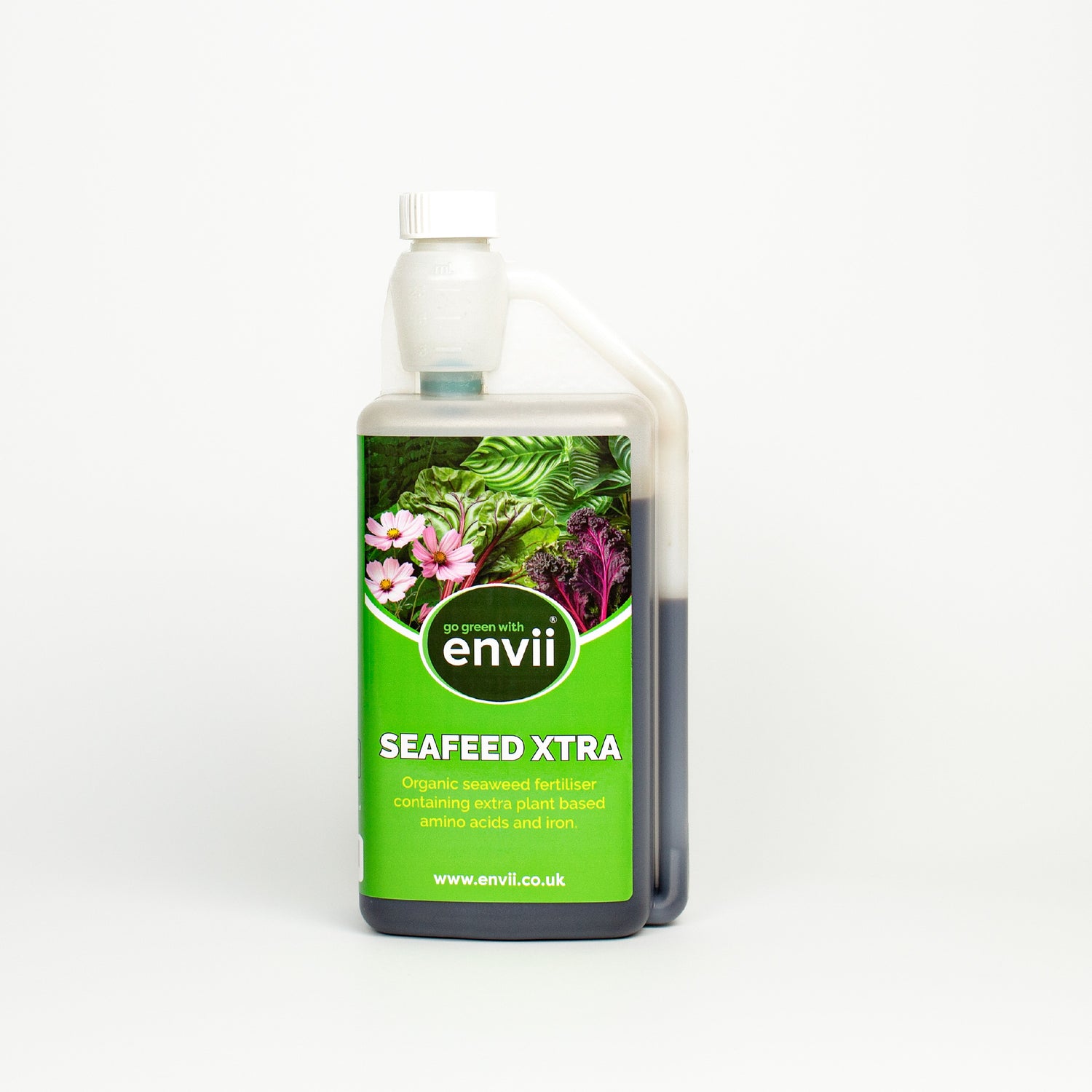
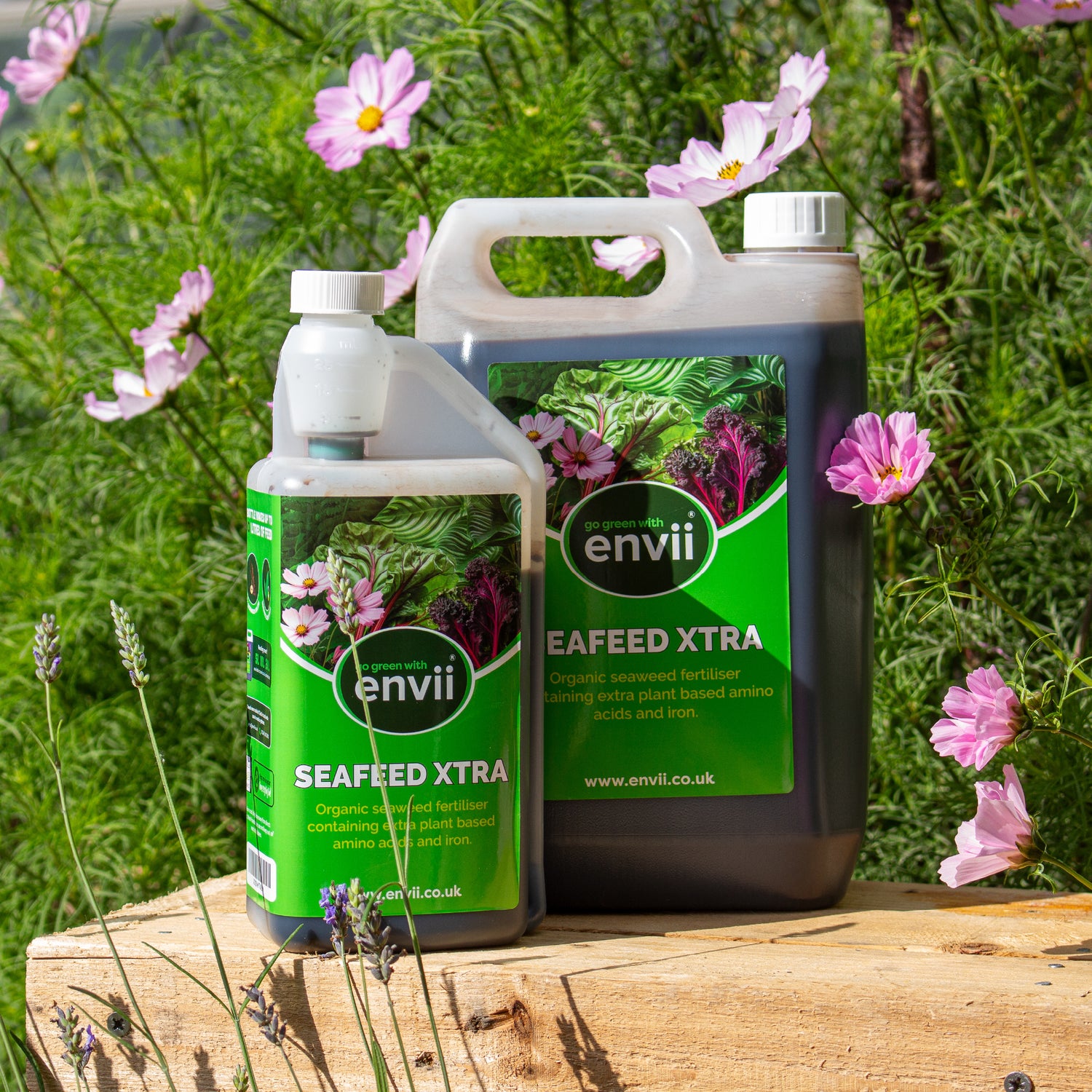
A balanced organic fertiliser like Allgrow can provide the essential nutrients hydrangeas need for healthy growth. Products with a balanced nutrient blend — such as an NPK ratio of 6-2-4 — help encourage greener foliage, stronger blooms, and improved resilience against common stresses such as pests, disease, and changing weather conditions.
When to Feed
Hydrangeas should be first fed in early Spring as new growth first appears. If using Allgrow, you can feed every 7 days between March and September (other feeds will vary, please check the instructions). Whichever feed you are using, it is not recommended to feed in late summer or autumn as this will encourage soft growth, which will be more vulnerable to frost.

Pruning Hydrangeas Properly
Knowing when and how to prune hydrangeas is one of the most important parts of hydrangea care and one of the most misunderstood. While pruning can help maintain a healthy shape, encourage stronger growth, and improve flowering, cutting back at the wrong time can accidentally remove developing buds and leave you with little to no blooms the following season.
The key to successful pruning is understanding how your hydrangea flowers, specifically whether it blooms on old wood or new wood.
What Does “Old Wood” and “New Wood” Mean?
- Old wood refers to stems produced during the previous growing season. Hydrangeas that bloom on old wood begin forming next year’s flower buds shortly after flowering, meaning those buds remain on the plant throughout autumn and winter.
- New wood refers to fresh growth produced in the current season. These hydrangeas develop flower buds on new stems, making them much more forgiving when it comes to pruning.
Identifying which category your hydrangea falls into is essential before making any cuts.
Hydrangeas That Bloom on Old Wood
- Bigleaf Hydrangea (Macrophylla)
- Oakleaf Hydrangea (Quercifolia)
- Climbing Hydrangea (Petiolaris)
For these varieties:
- remove only spent blooms and dead or damaged stems
- avoid hard pruning, especially in autumn or spring
Pruning too late can remove next year’s flowers before they’ve had a chance to bloom.
Hydrangeas That Bloom on New Wood
Varieties such as:
- Panicle Hydrangea (Paniculata)
- Smooth Hydrangea (Arborescens)
This makes them easier to prune because you can:
- cut stems back by one-third to one-half in late winter or early spring
- remove weak or crossing branches
- shape the plant to encourage fuller growth
This type of pruning often leads to stronger stems and larger flower heads during the growing season.
We’ve a short and simple to understand video, explaining the differences, that you can watch here.
Should You Deadhead Hydrangeas?
Deadheading is optional, but it can improve the plant’s appearance and tidy up the garden.
To deadhead:
- cut just above the first healthy set of leaves beneath the spent bloom
- avoid cutting too far down, especially on old-wood varieties
Some gardeners prefer leaving dried flower heads on the plant through autumn and winter, as they can provide seasonal interest and help protect developing buds from frost.
Best Tools for Pruning
Always use:
- sharp secateurs or pruning shears
- clean tools to prevent spreading disease
- gloves for protection, especially on larger shrubs
Top Tip: It’s a good idea to disinfect blades between plants, particularly if you’re removing diseased growth.
Common Hydrangea Pruning Mistakes to Avoid
Many hydrangea problems come down to incorrect pruning. Common mistakes include:
- pruning all varieties the same way
- cutting back too late in the year
- removing healthy buds by mistake
- over-pruning young plants
If you’re ever unsure, it’s usually safer to prune lightly rather than too heavily.
With the right pruning routine, your hydrangeas will not only look tidier and healthier, but they’ll also reward you with stronger growth and more abundant blooms year after year.

Seasonal Hydrangea Care
Hydrangea care changes throughout the year and understanding seasonal needs helps plants stay healthy long term.
Spring
- Apply fertiliser such as Allgrow
- Check for frost damage
- Prune if required
Summer
- Water regularly
- Deadhead spent flowers
- Monitor for pests
Autumn
- Stop fertilising
- Tidy fallen leaves
Winter
- Move potted hydrangeas into sheltered spots
- Avoid pruning unless removing dead wood
Following a seasonal routine makes hydrangea maintenance much easier.
Common Hydrangea Problems and Solutions
Even well-cared-for hydrangeas can occasionally struggle. Here are common problems and how to solve them.
No Flowers
Usually caused by:
- incorrect pruning
- frost-damaged buds
- too much shade
- imbalance of nutrients
Yellow Leaves
Can indicate:
- overwatering
- poor drainage
- nutrient deficiencies or imbalances
- disease
Tip: If you suspect a nutrient imbalance, using a gentle organic fertiliser like Allgrow can help restore balance by providing essential nutrients without the risk of overfeeding.
Powdery Mildew
Powdery Mildew appears as a white coating on leaves. Improve airflow and avoid overhead watering.
Pest Problems
Watch for:
- Aphid
- Spider Mite
- Slugs and Snails – A product such as Feed and Protect can deter slugs by altering the taste of the foliage, whilst providing essential nutrients to your plant and remaining safe for pets, children and other wildlife.
Early treatment prevents long-term damage.

Frequently Asked Questions About Hydrangea Care
Can hydrangeas grow in pots?
Yes. Many varieties thrive in pots or containers, provided they have good drainage and regular watering.
Do hydrangeas need full sun?
Most prefer partial shade, though Hydrangea paniculata tolerates more direct sun.
Should you deadhead hydrangeas?
Not essential but recommended - removing spent flowers improves appearance and can encourage healthy growth.
How long do hydrangeas live?
With proper care, hydrangeas can live and flower for decades.
Why are my hydrangea leaves wilting?
Usually due to underwatering, excessive heat, or root stress.
Final Thoughts
Learning how to care for hydrangeas doesn’t need to be complicated. Once you understand your hydrangea variety and provide the right balance of sunlight, water, soil, and seasonal maintenance, these stunning plants will reward you with beautiful blooms year after year.
Whether you’re growing hydrangeas in borders, containers, or feature beds, a little consistent care goes a long way. By following these hydrangea care tips, you’ll enjoy healthier plants, stronger growth, and a more vibrant garden in every season.