Putting a pond in your garden can be a labour of love, with a beautiful result.
You've picked your spot, planned it out, dug the hole, and lined it. You've done everything right, but just days later, your pond water is green, cloudy and smelly, resembling pea soup rather than a garden oasis.
New is meant to be clean, pristine, and perfect. But, as frustrating as it is, "new" in the world of ponds often means problems. So much so that it has its own name: New Pond Syndrome.
Despite its name, New Pond Syndrome doesn't just occur in new ponds. It can also happen in established ponds that have undergone major water changes, rather than just a little top-up during the summer heat.
What Is New Pond Syndrome?
New Pond Syndrome is the name given to the temporary chemical imbalance that often occurs in brand-new ponds when the biological filter hasn't had enough time to mature.
A healthy pond relies on beneficial bacteria to break down waste and maintain a balanced ecosystem. Until these bacteria have established themselves, harmful substances such as ammonia and nitrites can build up in the water, potentially causing problems for your pond and its wildlife.
What Are The Symptoms Of New Pond Syndrome?
If your pond is new and your water is green, cloudy, and/or smelly, it's possible you have a case of New Pond Syndrome.
If you test your water, you'll probably find that your ammonia and/or nitrite levels are high. If you have fish in your pond, you might also notice them gasping at the surface, becoming lethargic or losing their appetite.
These can all be signs of poor water quality, so it's important to investigate the problem and take action to protect your fish.

What Causes New Pond Syndrome?
For ponds with fish, fish waste and decaying, uneaten fish food create ammonia. In a mature pond, beneficial bacteria in the biological filter convert ammonia into nitrites and then nitrates.
However, in a new pond, the biological filter may not have enough established beneficial bacteria to carry out this process effectively. As a result, ammonia and nitrite levels can build up.
If you've added fish too soon or added too many fish too quickly, you may overwhelm the small population of beneficial bacteria in your pond.
For ponds without fish, excess nutrients can still build up in the water while the biological filter is immature. These excess nutrients, combined with sunlight, can encourage algae blooms, including green water and blanket weed.

How To Fix New Pond Syndrome
Testing your water should be the first step in trying to cure your pond of New Pond Syndrome.
By testing your water, you can see which levels are too high or too low, specifically ammonia and nitrites, as well as check your pH. This makes it easier to diagnose the problem and work out the best way to fix it.
Once you know what you're dealing with, you can take steps to restore a healthy balance.
To help mature your pond's biological filter, you should ensure your pond has good aeration to keep oxygen levels high. Beneficial bacteria need oxygen to function effectively, so maintaining good oxygen levels is important for healthy biological filtration.
You can aerate your water with mechanical pumps, air stones, waterfalls or other water features that create movement and surface agitation.
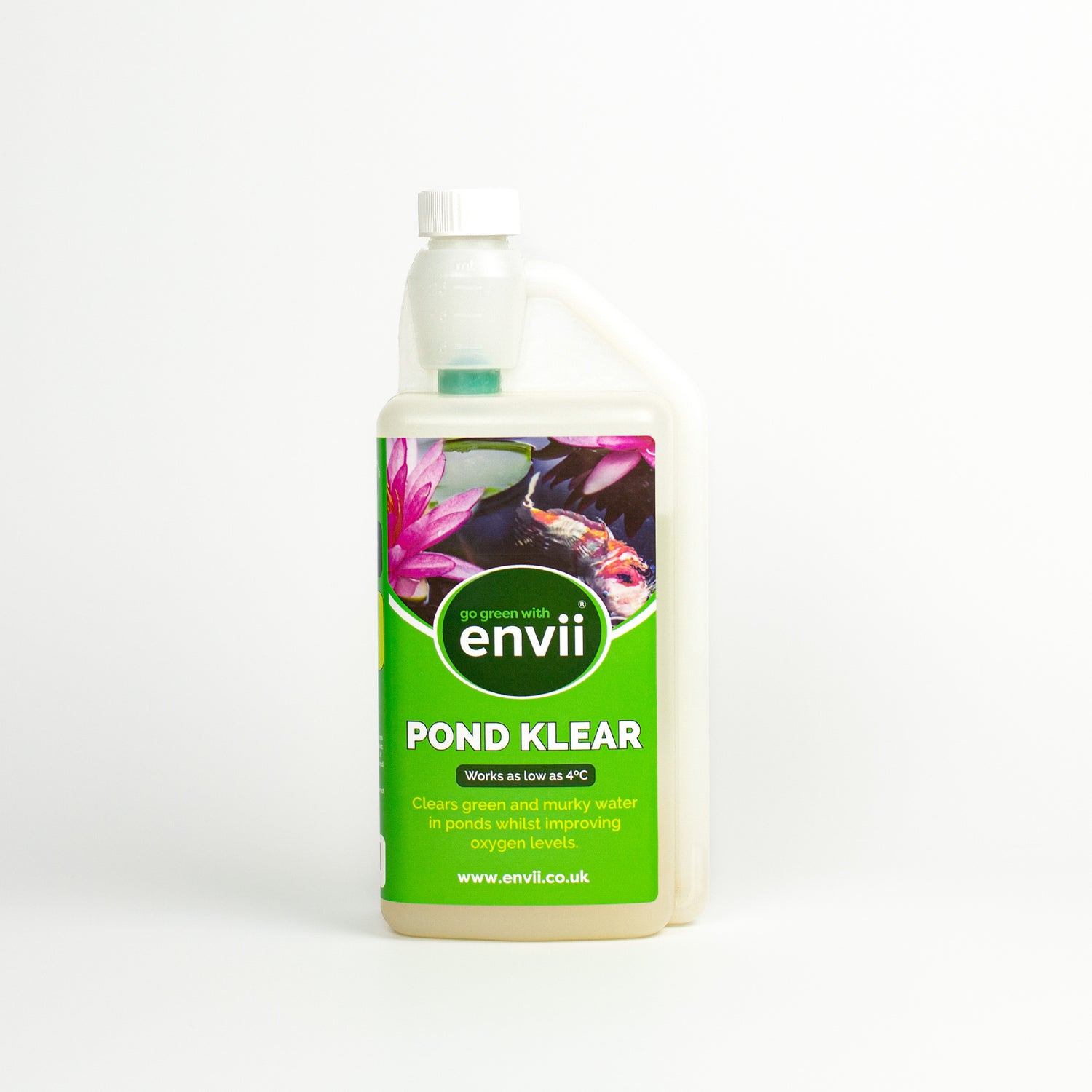
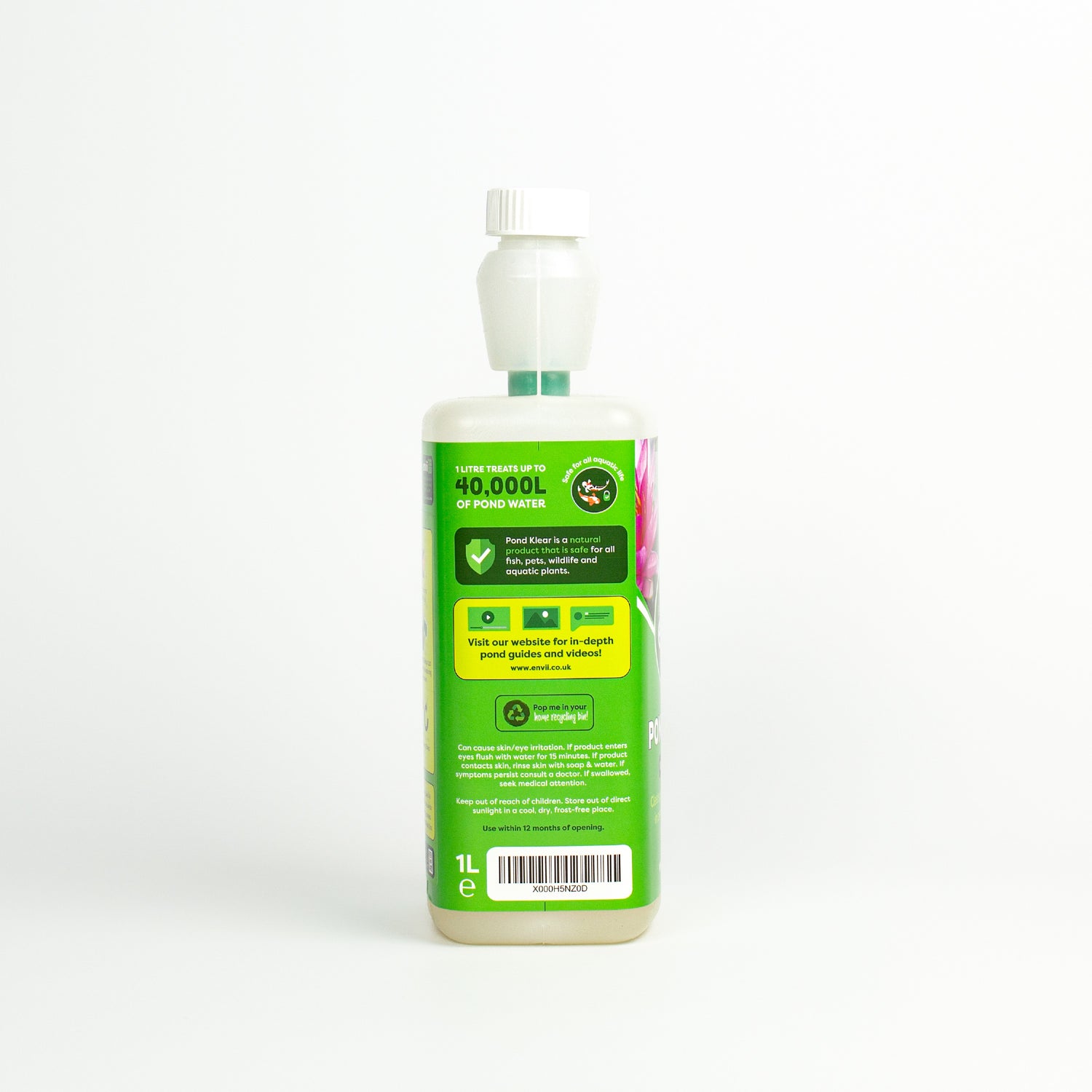
You can also add beneficial bacteria products to the water to give your new pond the best helping hand. A product like Pond Klear contains beneficial bacteria that help improve biological activity, reduce ammonia and nitrite levels, and support clearer water by reducing the nutrients available to algae.
Pond Klear Xtra is also three times stronger, making it suitable for larger bodies of water.
If you already have a mechanical filter and pump in your pond, Filter Feed uses beneficial bacteria to break down organic sludge and waste in your filter, helping to reduce ammonia and nitrite build-up.
A clean, well-maintained filter helps to keep ponds clean and healthy, as well as supporting good biological activity.
You can read more in our Guide to The Benefits Of Beneficial Bacteria In Pond Filters.

How To Prevent New Pond Syndrome Before It Occurs
When setting up your pond, it's not a given that you have to endure New Pond Syndrome. There are precautions you can take to help prevent it.
If you're filling your pond with a hosepipe connected to mains water, you should use a dechlorinator like Chlorine Klear. Using vitamin C, Chlorine Klear will help remove chlorine, chloramine, and heavy metals from tap water, making it safer for pond wildlife.
When filling your pond, as well as using dechlorinated water or a dechlorinating treatment, use beneficial bacteria products like Pond Klear or Filter Feed to help establish your biological filter.
If you're going to be adding fish to your pond, give your biological filter time to establish before introducing them. Rather than relying on a set number of weeks, test your water to make sure your biological filter is capable of processing ammonia and nitrites effectively.
When introducing fish, start with only a couple of suitable, hardy fish at first and feed them sparingly. The biological filter will need time to adapt to the additional waste.
You can then slowly introduce more fish, but remember not to have too many for the size of your pond and not to overfeed them. Otherwise, you risk overwhelming the beneficial bacteria in your pond, resulting in poor water quality and potentially harmful ammonia and nitrite levels.
If you're unsure about which fish to add to your pond first, we can help you find the best match for your pond here: Choosing Pond Fish: The Best Match For Your Pond.
You should also ensure that your pond is well aerated, as a healthy pond needs a good level of oxygen to support a healthy ecosystem. You can increase oxygen levels in a pond by adding a mechanical pump, waterfalls, water features or air stones. Anything that's going to keep the water moving and create surface agitation will help with oxygen exchange.
An expensive pump isn't always necessary. Read our guide to Oxygenating A Pond Without A Pump to find out more.
How Long Does New Pond Syndrome Last?
New Pond Syndrome doesn't disappear overnight. It takes time for the beneficial bacteria in your pond to establish themselves and build up enough numbers to process the waste produced by fish and other organic matter.
This can take several weeks or longer, depending on factors such as water temperature, filtration, pond size and fish stocking levels.
The best way to monitor your pond's progress is through regular water testing. Ammonia and nitrite levels should both return to zero and remain there as your biological filter matures.
If you already have fish in your pond, don't simply wait for the problem to resolve itself. High ammonia and nitrite levels can be harmful to fish, so take steps to protect them and monitor your water quality closely.
Final Thoughts
New Pond Syndrome is a common problem in new ponds, but it can also occur in established ponds following major water changes.
It simply means there's a chemical imbalance in the water due to an immature or disrupted biological filter. It's often preventable and manageable with some simple steps, but it may take a little time to get your garden pond to the blissful oasis you originally wanted it to be.
With good aeration, regular water testing and a helping hand from beneficial bacteria, your pond water can become clean, clear and healthy.
We have many other blogs to help you care for your pond, covering everything from oxygen levels and chemical balances to choosing the right fish and pond plants. If you can't find what you're looking for, don't hesitate to get in touch with our team.