Blanket Weed is a common problem that many pond owners in the UK have to contend with. Commonly found in freshwater, blanket weed is one of the fastest growing types of algae with an approximate growth rate of 2 metres per day and the ability to double in weight every 24 hours.
Not only does blanket weed affect the appearance of a pond, but it can drastically affect the health and quality of the water and its plants or wildlife.
It’s helpful to know what causes blanket weed in order to treat it effectively.
What Is Blanket Weed?
Blanket Weed is one of thousands of types of algae, but is one of the more common. It is more commonly found in freshwater areas.
What Does Blanket Weed Look Like?
Blanket Weed is typically either submerged under the water of floating on top of the water. It doesn’t have a stem, root or leaves but is made up of long, hair-like fibres that will attach to pond walls or media. It can vary in colour from green, yellow and brown.

So, What Causes Blanket Weed?
Because blanket weed is a type of algae, it is caused by the same things that common forms of algae are caused by. The good news is that many of these conditions can be managed, helping to prevent blanket weed from returning.
5 Causes of Blanket Weed
Blanket weed is one of the most common types of algae found in garden ponds. It can start as a few fine green strands around the edges of the pond before quickly spreading into thick, tangled mats that float across the surface or cling to plants, rocks and pond features.
Although blanket weed can appear seemingly overnight, its growth is usually driven by a combination of environmental conditions. The five main factors that encourage blanket weed are:
1. Excess Nutrients
Excess nutrients, particularly nitrates and phosphates, are one of the main factors responsible for blanket weed growth.
These nutrients act as a food source for algae, and when they accumulate in pond water, they can provide the conditions blanket weed needs to multiply rapidly.
There are several ways excess nutrients can enter your pond:
Fish waste: Fish naturally release waste into the water, which contributes nitrogen and phosphorus. Overfeeding makes the problem worse because uneaten food eventually breaks down and releases additional nutrients. Keeping too many fish for the size of your pond can also result in a greater build-up of waste.
Tip: Don’t keep too many fish in a small pond, and don’t overfeed.

Organic debris: Fallen leaves, dead aquatic plants, grass cuttings and other organic material can accumulate in the pond and gradually decompose. As this material breaks down, nutrients are released into the water. Sludge and decaying organic matter that collect on the bottom of the pond can have the same effect.
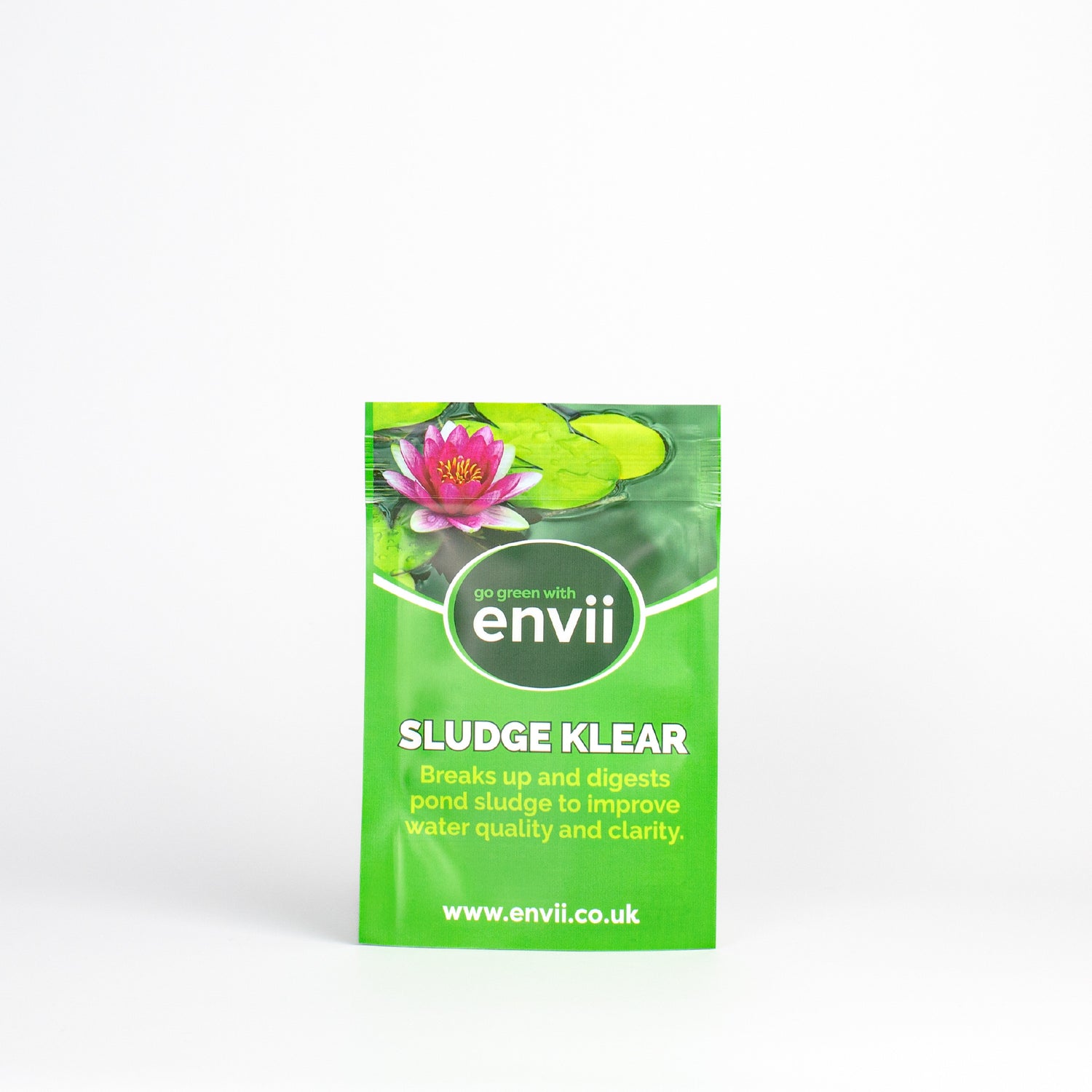
Tip: Regularly remove debris from the surface of the pond before it has chance to decay and sink to the bottom. Use Sludge Klear to break down the sludge.

Tap water: Regularly topping up a pond with tap water can introduce additional minerals and nutrients, depending on the composition of your local water supply. Tap water should also be treated with an appropriate dechlorinator before being added to a pond, particularly where fish and beneficial pond bacteria are present.
Tip: Top up with tap water slowly and sparingly. Or, use Chlorine Klear to neutralise chlorine and chloramine in mains water.

Garden fertilisers: Fertilisers used on lawns, flower beds, borders and vegetable gardens contain nutrients such as nitrogen and phosphorus. Rainfall can wash these nutrients from surrounding areas into the pond, causing nutrient levels to rise and potentially encouraging an outbreak of blanket weed.
Tip: Try not to feed plants or lawns that are directly surrounding your pond to avoid runoff. You could use Nitrate Klear to naturally break down nitrates in pond water.
2. Excess Sunlight
Blanket weed, like other forms of algae, needs light to photosynthesise. Sunlight provides the energy that allows algae to convert water and carbon dioxide into the organic compounds it needs for growth.
The green pigment in algae, called chlorophyll, absorbs light energy and uses it to drive photosynthesis. When a pond receives large amounts of direct sunlight for long periods, blanket weed has more energy available to grow and spread.
Sunlight can also warm the water, creating another favourable condition for algae growth.
This does not mean that every sunny pond will develop blanket weed. However, a pond that receives prolonged, intense sunlight, particularly when combined with high nutrient levels, is more likely to experience rapid algae growth.
Tip: Create shade for your pond water either by adding floating pond plants or placing a temporary sun shade over the pond, particularly in the height of summer.

3. Warm Weather
Blanket weed tends to become more noticeable during periods of warm weather because higher water temperatures can create conditions that favour rapid algae growth.
Even when the sun is not particularly strong, prolonged warm weather can gradually increase the temperature of your pond.
Warm water also holds less dissolved oxygen than cooler water, which can become particularly important in ponds containing fish and large amounts of organic matter.
When oxygen levels are low, the pond's natural biological processes can become disrupted. At the same time, warmer conditions can increase the activity of microorganisms responsible for breaking down organic material. As leaves, fish waste and other debris decompose, nutrients are released back into the water, potentially providing blanket weed with an additional food source.
This can create a cycle:
Warm weather → increased biological activity → more nutrient release → more available food for algae → increased blanket weed growth.
Tip: Add shade to your pond with plants or sun shades to reduce the risk of sun warming your water, and ensure your water is well aerated. Read more about How To Maintain Healthy Pond Oxygen Levels.
4. Poor Water Circulation
Good water circulation is important for maintaining a healthy pond ecosystem. When water is stagnant or circulation is poor, certain areas of the pond can become warmer and oxygen levels can become uneven.
Still water also allows nutrients and organic matter to accumulate in particular areas, creating localised conditions where blanket weed can establish and spread more easily.
Tip: Make sure your water is well circulated and oxygenated using a mechanical pump and filter or water feature. Read more about How To Maintain Healthy Pond Oxygen Levels.

5. High or Unstable pH Levels
Blanket weed generally grows well in alkaline water, and a high pH can contribute to conditions that favour algae growth. Pond pH is influenced by several factors, including the local water supply, the pond's geology, aquatic plants, algae and the amount of carbon dioxide present in the water.
A pH of around 7.5–8.5 is commonly found in many garden ponds, although the ideal range depends on the type of pond and the fish or wildlife it contains. It is therefore important not to try to force the pH down simply because blanket weed is present.
Instead, pH should be considered alongside other water-quality factors such as ammonia, nitrite, nitrate, phosphate, oxygen levels and water hardness.
Large fluctuations in pH can also be stressful for fish and other pond inhabitants.
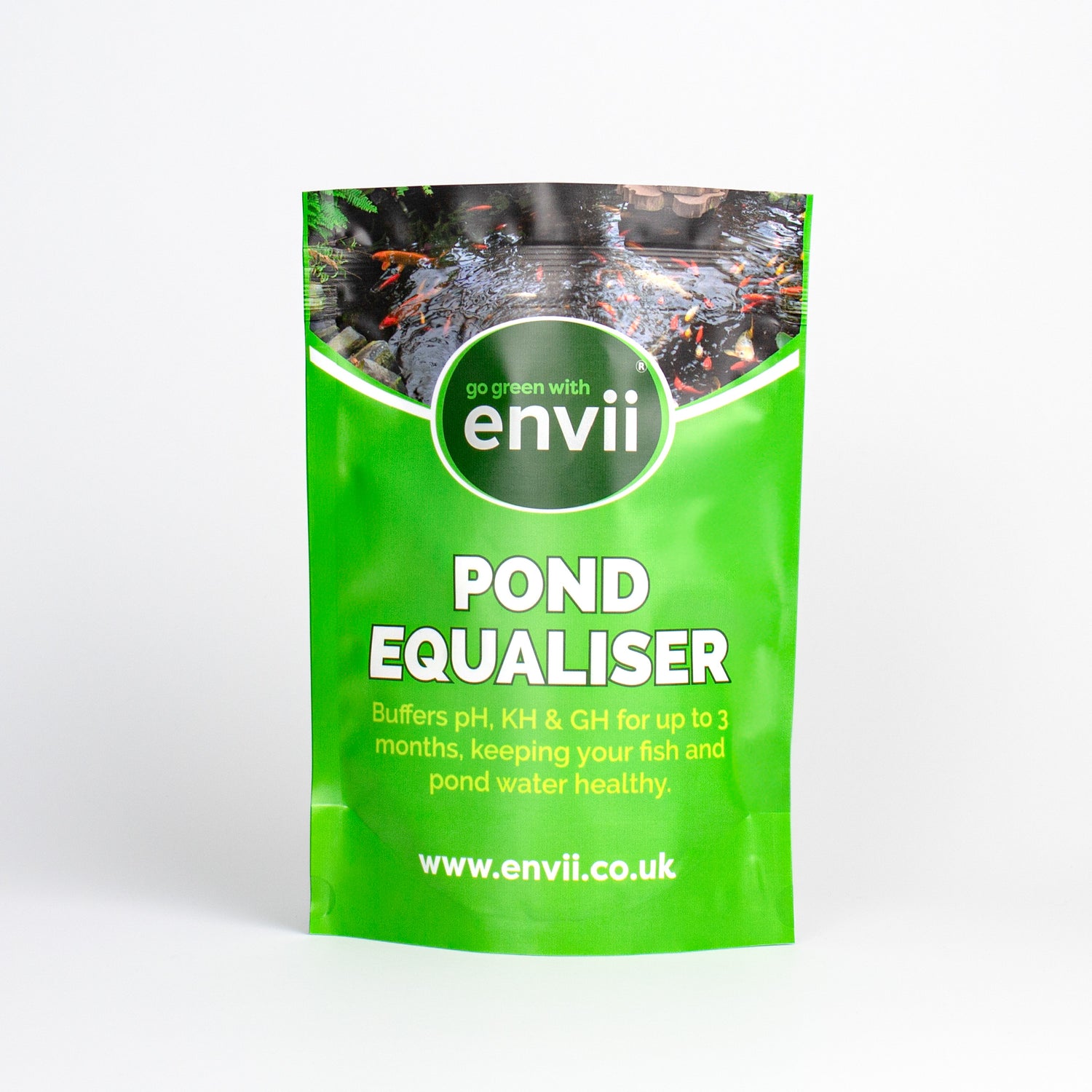
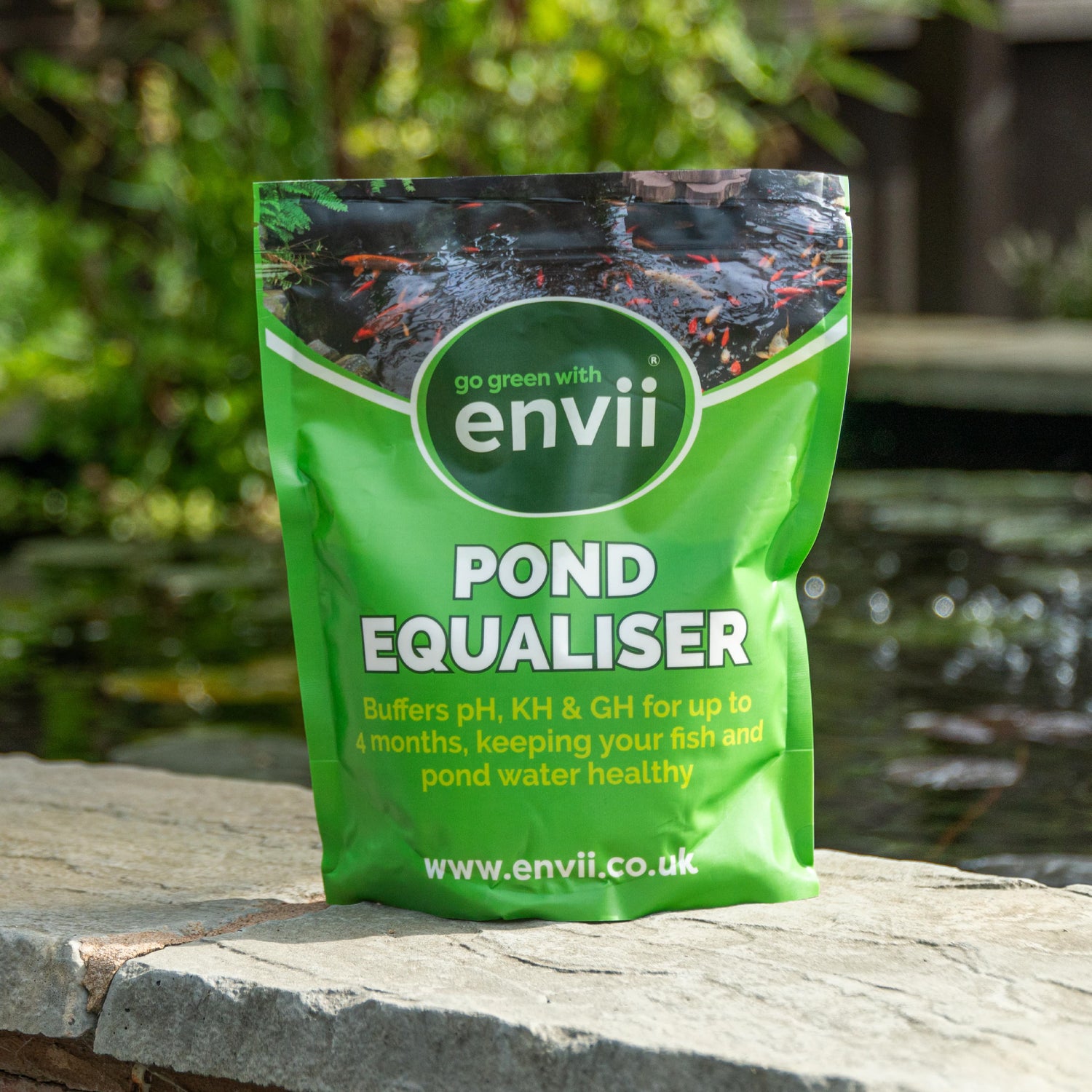
Tip: Aim to maintain stable pH levels rather than allowing them to spike before treating. Staying on top of all of the above will help balance the pH level. If you’ve done all of that and still think there isn’t something quite right, check your pH with our pH test strips, and use Pond Equaliser to instantly balance and maintain water parameters.
Now we’ve looked into causes of blanket weed, if you want to learn more in depth about how you can treat or cure blanket weed, head over to What Is Blanket Weed? And How To Remove It.
The Bottom Line
Blanket weed rarely has a single cause. In most cases, it is the result of several favourable conditions occurring at the same time, particularly excess nutrients combined with sunlight and warm water.
Keeping the pond clean, avoiding overfeeding, removing excess organic debris and maintaining good circulation can all help reduce the conditions that blanket weed needs to thrive.
The key to controlling blanket weed is therefore not simply to remove the algae when it appears, but to identify and address the conditions that are allowing it to grow in the first place.
If you do already have a blanket weed problem and now need to know what you can do to treat it, head over to What Is Blanket Weed? And How To Remove It.