Whether you're using a hose pipe or adding tap water with a watering can, it's important to do it correctly to protect your fish, plants, and the natural balance of your pond.
In this guide, we'll explain when you should top up your pond, how to do it safely, and what to avoid.
Why Has My Pond Water Level Dropped?
It's perfectly normal for pond water levels to change throughout the year. During warm weather, evaporation can cause noticeable water loss, while splashing from waterfalls, streams, and active fish can also reduce the water level over time.
Ponds can typically lose 2.5cm - 7.5cm of water in hot sunny conditions through the height of summer, so naturally your loss will be much less through the rest of the year in the UK. Shallower ponds will heat up faster, and so will evaporate more quickly than deeper ponds.
If you have a waterfall or a fountain, the water splash that doesn’t reach the pond may well contribute to water loss, particularly in high winds - which are more likely in the UK than extreme heat. High winds will easily spray the water further, meaning less will reach the pond.

If you have plants or weeds around your pond, if the leaves grow too long and dip into the water, they can draw the water out of your pond. Make sure any weeds are trimmed if not removed, and plants are cut back to avoid dipping into the water.
Tears in pond liners caused by wildlife, pets, or even sharp debris can cause water to seep out and directly into the soil beneath and around the pond. If you have a filter, this can also crack or loosen over time, which will cause a leak.
Read our guide: 7 Reasons Your Pond Is Losing Water
How Do I Know If My Pond Is Losing Water?
Water levels may not be decreasing significantly enough to notice it just by looking. It’s worth having a marker in the pond so you can see the levels increasing and decreasing. Remember, varying water levels are normal throughout the year, but if your pond is consistently losing water - particularly during hot weather - it could pose a problem to the water quality, plants, fish, and wildlife.
An easy way to diagnose water loss requires just a bucket:
- Submerge a bucket into the pond on a ledge or a shelf and allow it to fill with pond water
- Mark the water level on the inside and the outside of the bucket
- Wait 24-48 hours before checking
- If the water level has dropped by equal or similar amounts on both the inside and outside, then your water is just evaporating
- If the pond level has dropped more on the outside of the bucket, you likely have a leak that needs to be found.

Can You Top Up a Pond with Tap Water?
Yes, you can top up a pond with tap water, but there are a few important precautions to take.
Tap water contains chlorine or chloramine, which are added to make drinking water safe for human consumption. These chemicals can be harmful to fish, beneficial bacteria, and other pond life if large amounts are added too quickly.
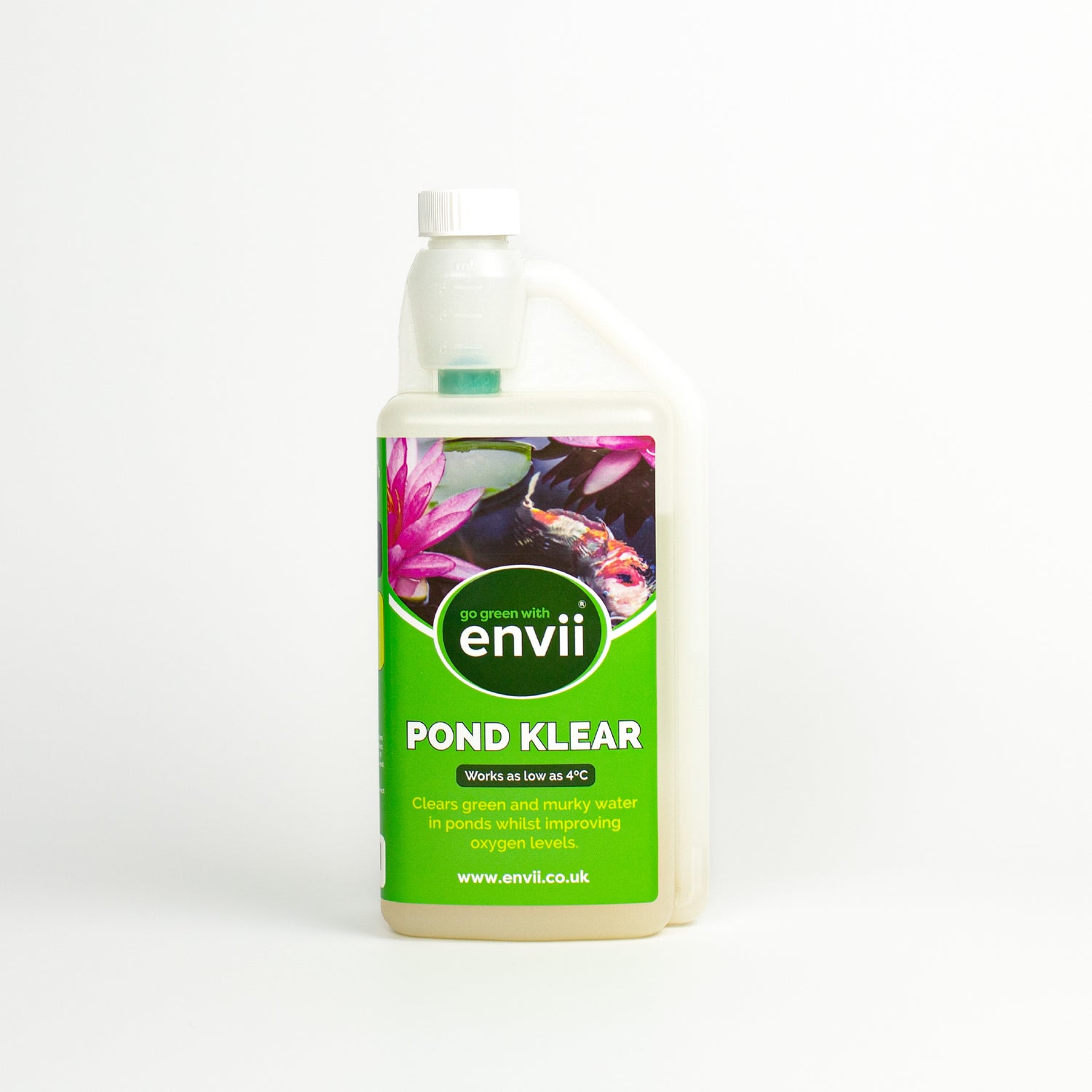
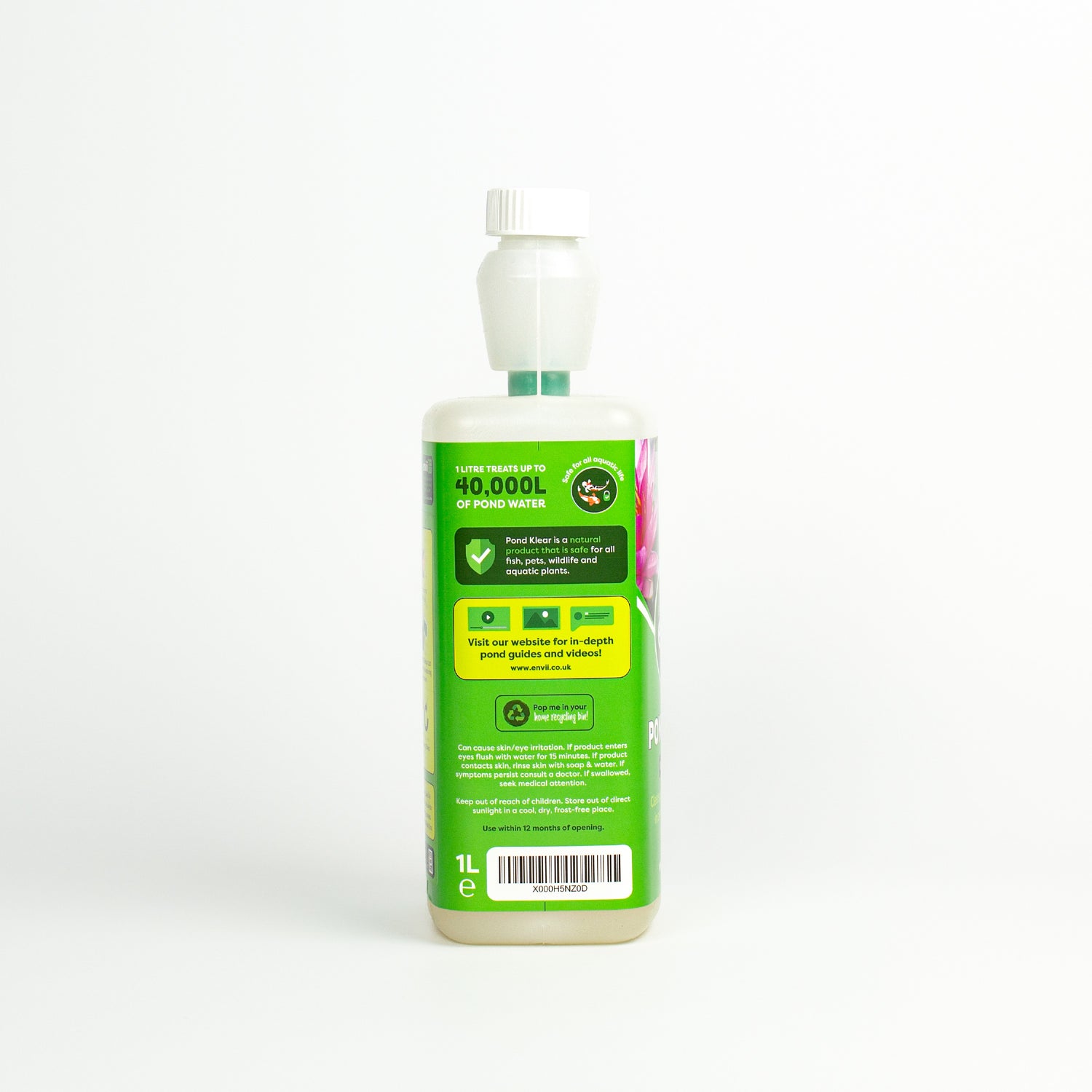
For small top-ups, the impact is usually minimal, especially if you're only replacing water lost through evaporation. However, larger water additions should be treated with a product like Chlorine Klear to remove all chlorine, chloramine, and other metals before they affect your pond. Simply add 20ml per 500l of water as you add the tap water; there’s no need to mix first.
If you have fish in your pond, read our guide on How to Make Tap Water Safe for Fish.

Is It Safe to Use a Hose Pipe to Fill a Pond?
A hose pipe is one of the easiest ways to top up a pond, provided you use it correctly.
When using a hose pipe:
- Add water slowly rather than filling the pond as quickly as possible
- Position the hose where it won't disturb fish or plants.
Adding water gradually helps prevent stress to any fish and allows the pond's ecosystem to adjust more naturally without disturbing any of its essential bacteria.
Using a hose pipe is still using tap water, albeit much quicker. The water will still contain chlorine or chloramine, and so will need to be removed using a product like Chlorine Klear.

How Much Water Should You Add?
Only replace the water that's been lost.
As a general guide:
- Small evaporation losses can simply be topped up.
- If you've lost a significant percentage of your pond water, investigate the cause before repeatedly refilling it.
- Frequent topping up could indicate a leak rather than normal evaporation.
If you're unsure whether the water loss is normal, our guide 7 Reasons Your Pond Is Losing Water can help you diagnose the problem before adding more water.
Best Time to Top Up Your Pond
If possible, top up your pond:
- Early in the morning
- Late in the evening
- During cooler weather
This reduces sudden temperature changes, particularly during summer when tap water may be significantly cooler than pond water.
Remember, water temperature is important to maintain oxygen levels in the water. To find out why temperature and oxygen are so important in your pond, read our guide How To Maintain Healthy Pond Oxygen Levels.
Tips for Keeping Pond Water Levels Healthy
Alongside occasional top-ups, good pond maintenance helps keep water levels stable.
Some simple tips include:
- Check for leaks if you're topping up frequently.
- Minimise excessive splashing from waterfalls or fountains.
- Keep an eye on water levels during hot weather.
- Remove debris that may block overflow areas.
- Regularly inspect liners, pipework and fittings.

Frequently Asked Questions
Can I put tap water straight into my pond?
For small top-ups, many pond owners do use tap water. If you're adding larger amounts, it's recommended to use a water conditioner to neutralise chlorine and chloramine before they can affect fish or beneficial bacteria.
Can I leave a hose pipe running into my pond?
It's best not to leave a hose pipe unattended. Overfilling can cause flooding, wash beneficial bacteria away, or allow fish to escape if water reaches the edge of the pond.
How often should I top up my pond?
Most ponds only need occasional top-ups during warm weather. If you're adding water every few days, it's worth checking for leaks or excessive water loss.
Should I use rainwater instead of tap water?
Rainwater can be suitable in some situations, but it depends on how it's collected and stored. Many pond owners use tap water for convenience, provided it's added carefully and treated when necessary.
Final Thoughts
Topping up your pond is a normal part of pond maintenance, especially during periods of warm weather when evaporation increases. Whether you're using a hose pipe or adding tap water, introducing water slowly and taking care with chlorine treatment will help keep your pond healthy.
Remember, if your pond seems to need topping up more often than expected, it's worth investigating the cause rather than continually replacing the lost water.