Knowing how to protect your pond during hot weather is becoming more important, with The Met Office warning that periods of extreme heat are likely to become more common.
A pond’s single biggest challenge during the heat is maintaining its oxygen levels. Oxygen in your pond is vital for not only any fish living in there, but preventing algae blooms and keeping water clear by breaking down sludge.
Warm pond water naturally holds less dissolved oxygen than cold water and so as the temperature increases, the oxygen levels will decrease.
Signs Your Pond Is Low On Oxygen
Keeping a close eye on your pond when it’s hot ensures you will be able to pick up on low oxygen levels before they cause a major problem. Look out for:
- Foul Odours - a stagnant or “rotten egg” smell
- Water Discolouration - brown, grey, dirty looking water often signifies an overload of decaying matter
- Excess Algae - sudden, large algae blooms of thick floating foam
- Gasping Fish - fish gathering at the surface looking to gulp air
- Lethargic Fish - reduced activity or refusal to eat
- Crowded Fish - fish that are gathering near pumps or waterfalls/fountains are looking for oxygenated water

How To Increase Oxygen Levels In Your Pond
Surface pond water is always in contact with the atmosphere and therefore will always have the highest oxygen concentration - hence why fish come to the surface looking for oxygen. For an ideal ecosystem, your pond needs oxygen throughout its volume of water. In order to increase oxygen levels your pond, you should:
Increase Water Movement - create movement in the water with shelves made of rocks for water to roll off, a water feature or fountain or a small waterfall.
Add Aquatic Plants - many pond plants - especially submerged varieties - release oxygen directly into the water through photosynthesis. The Benefits Of Pond Plants provides a more comprehensive guide to pond plants.
Run Pumps and Filters 24/7 - avoid turning pumps and filters off at night and leave them running 24/7 to maximise circulation in the water.
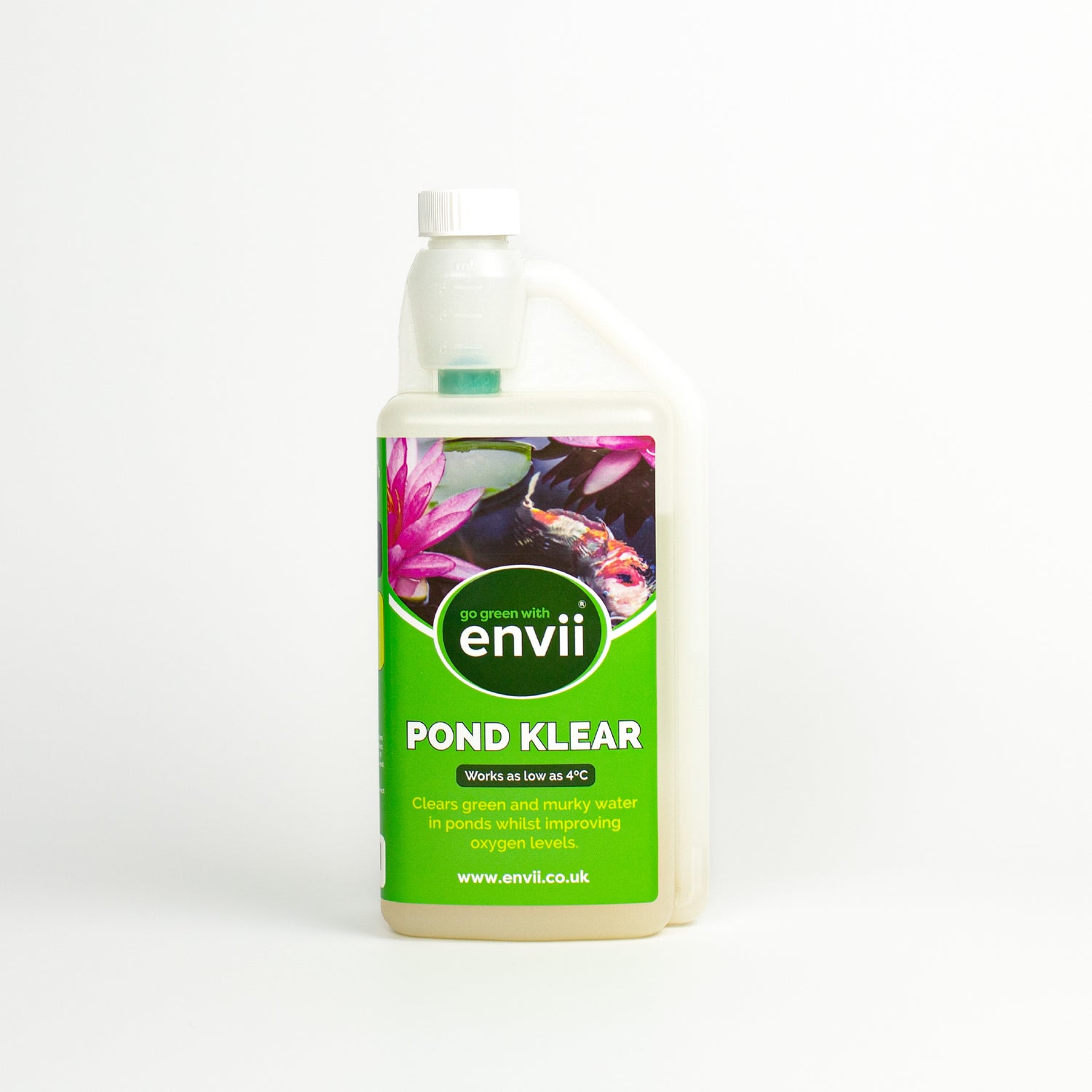
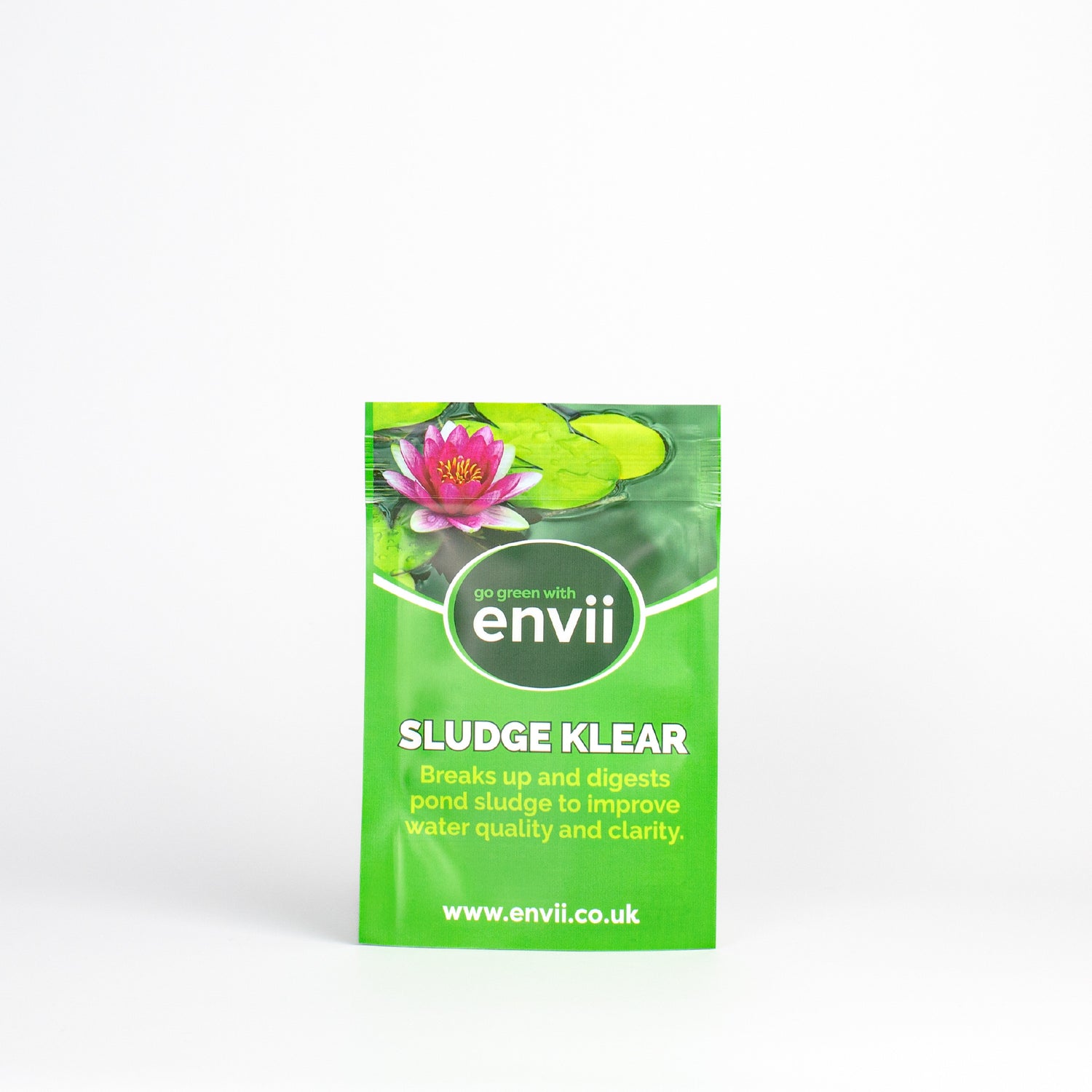
Keep Pond Clean - oxygen in the pond breaks down organic waste, fish waste and debris. Low oxygen levels means waste isn’t breaking down as fast and can cause sludge to form. Excessive sludge decreases oxygen levels further. Use Sludge Klear to break down the matter.

How To Add Oxygen Without A Pump Or Filter?
Whilst the emphasis is on water movement and circulation for increasing oxygen, it is entirely possible to oxygenate a pond without a pump or filter. You can do this by adding waterfalls, water fountains, and the right bacteria to help. We delve into this in our guide to Oxygenate A Pond Without A Pump.
How To Manage The Temperature Of Your Pond
Warm pond water naturally has less oxygen than cold water, so you need to aim to keep your pond a consistent temperature. By doing so, you’ll create a cooler environment for your fish so they don’t overheat, but you also won’t lose any extra oxygen.
Create Shade
The best way to try to manage your pond’s temperature is by introducing shade. You can do this by placing a gazebo or a UV sail over the pond, particularly at the hottest parts of the day, or by adding floating plants with broad leaves.
Increasing shade coverage also keeps algae at bay, as algae thrives off UV as well as depletes oxygen levels.

How To Manage Evaporating Water
Evaporation of your pond water will occur quicker the hotter it gets. A pond needs dechlorinated water, so if you have a water butt collecting rain, use the rain water to fill your pond. Alternatively, you can just use a hosepipe or watering can, but ensure you are removing the chlorine from the water. The easiest way to do this is by using Chlorine Klear - you can add this directly to the pond as you add the water, and it only needs 20ml per 500 litres of water.

Should You Feed Pond Fish During a Heatwave?
Fish become less active as oxygen levels fall, and overfeeding during hot weather can make water quality worse. Feed little and often during cooler parts of the day, such as early morning or evening, and remove any uneaten food to prevent it breaking down. If your fish are showing signs of stress or gasping at the surface, avoid feeding until oxygen levels have improved.
Remember: Everything Is A Cycle
The life cycle of a pond is fascinating, but remembering that everything leads back to oxygen levels is the key to a healthy pond.
Negative cycle
Warm weather → Lower oxygen levels → Slower breakdown of waste → Sludge build-up → Even lower oxygen levels → Fish stress and algae growth
Positive cycle
More pond plants → More shade → Cooler water → Higher oxygen levels → Healthier fish and clearer water
Final Thoughts
Heatwaves can place extra stress on any garden pond, but with a few simple steps you can keep your pond healthy throughout the summer. Maintaining good oxygen levels, increasing shade, keeping water moving, topping up evaporated water correctly and avoiding excess waste will all help protect your fish, plants and beneficial bacteria. By understanding how these factors work together, you'll create a healthier pond ecosystem that's better equipped to cope with periods of extreme heat.