One of the first decisions you’ll face is whether to set up a freshwater or a saltwater aquarium. While both offer fascinating underwater worlds, they differ significantly in cost, maintenance, equipment, and the types of fish you can keep. Understanding these differences will help you choose the aquarium that best fits your experience level, budget, and the amount of time you can dedicate to caring for it.
What Is a Freshwater Aquarium?
A freshwater tank replicates freshwater environments such as rivers, lakes and streams and aims to create a self-sustaining ecosystem for fish, plants and other organisms. It’s like having a miniature, aesthetically enhanced version of a natural habitat, for you to enjoy at home.
A freshwater tank contains water that is unsalted and primarily sourced from treated tap water, bottled or distilled water or water from Reverse Osmosis (RO) systems.

The most common source of water for a freshwater tank is tap water. It is safe for fish providing it has been treated to remove chlorine and chloramine. Tap water is the most cost effective way to fill your tank and the most readily available, but water quality does vary by location.
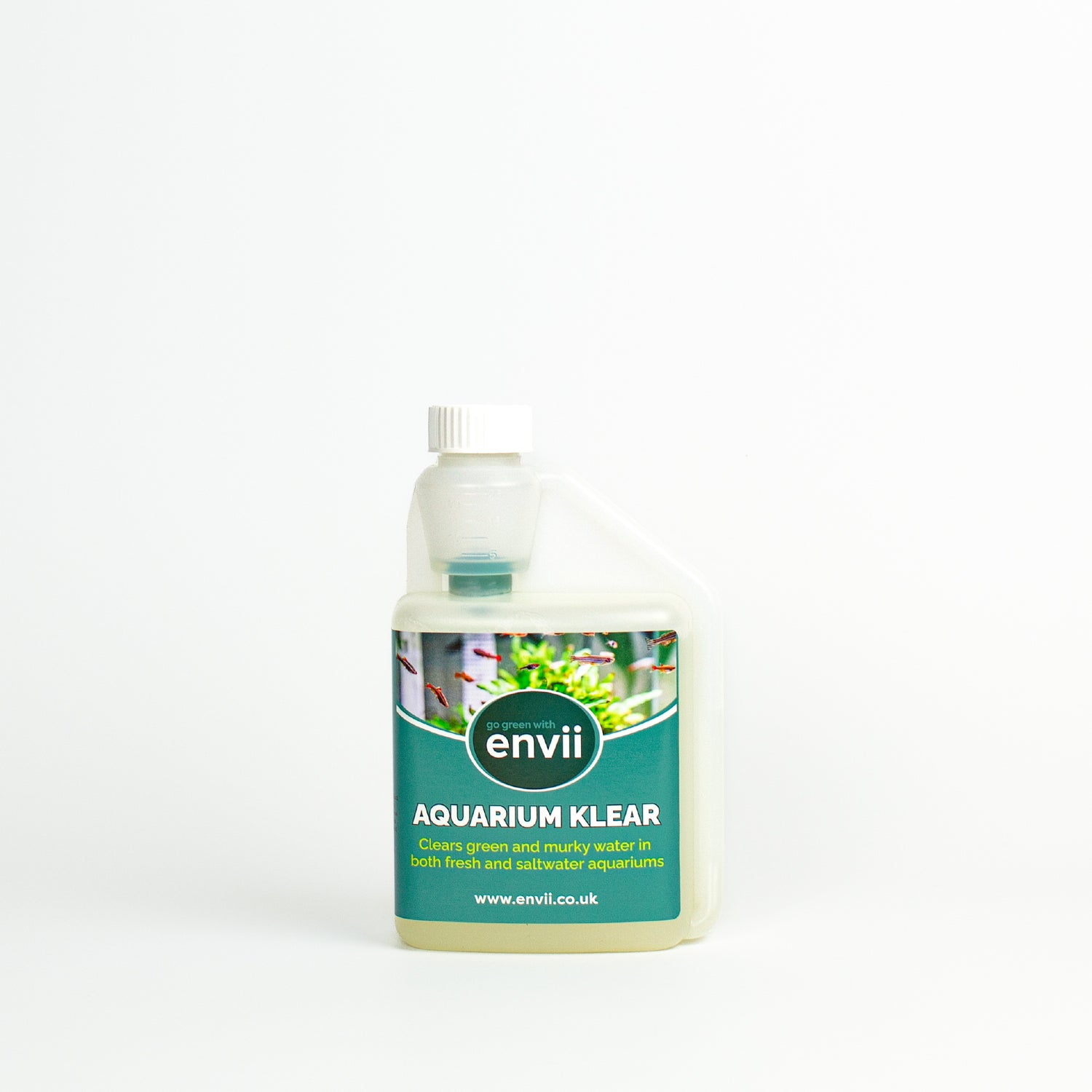
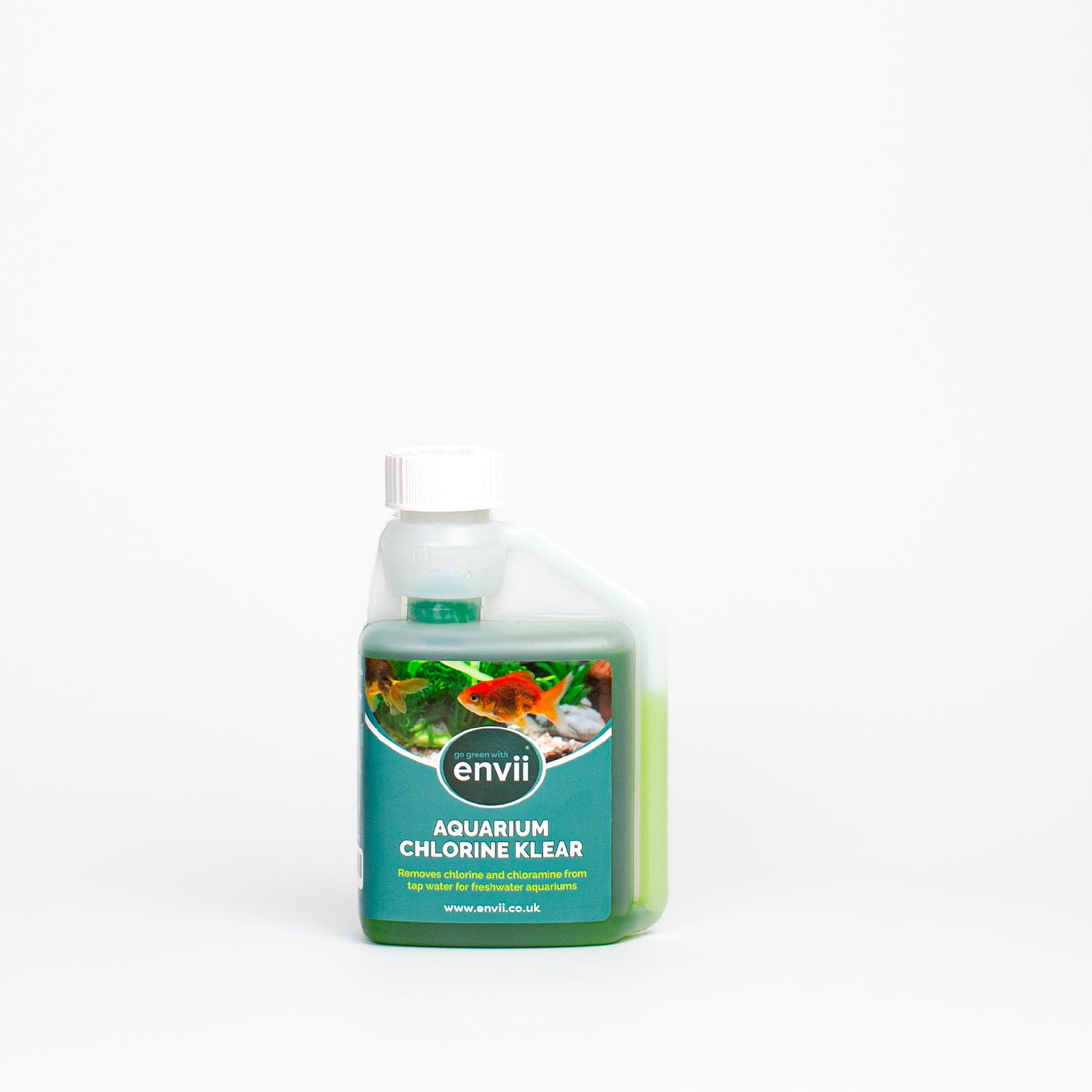
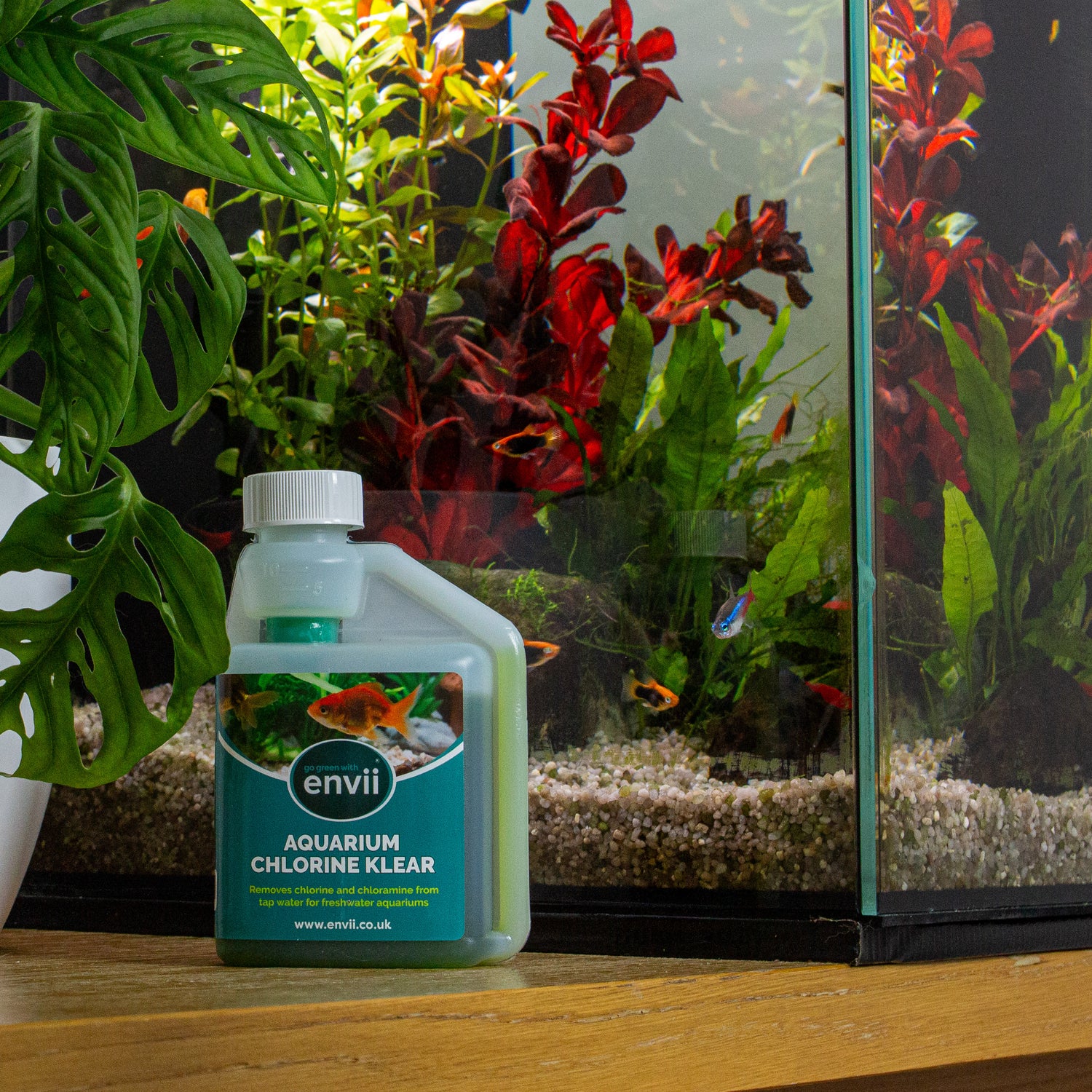
Tip: chlorine is easily removed from tap water with products such as Aquarium Chlorine Klear added to your water.

Bottled or purified water is available in grocery stores so is a convenient way to fill your tank but can be expensive for larger tanks.
Reverse Osmosis (RO) and distilled water is heavily filtered and highly purified water. You can install these filtration systems at home, or you can purchase it directly from retailers. Bear in mind that RO water has been heavily filtered to remove chlorine and chloramine, heavy metals and minerals. Before adding RO water to a fish tank it will need remineralising to ensure proper water chemistry for optimal fish health. To remineralise RO water, you will need to add the specific minerals in powder form, to the water until dissolved.
A freshwater aquarium is the most common set up for beginners due to it being relatively simple, cost effective and there is no need for any fancy equipment.
Equipment you will need for a freshwater aquarium:
- Aquarium Tank – anything from a 54l to a 120l tank is recommended for beginners, as larger volumes will need more maintenance
- Filter – a filter is needed to remove debris and waste from the water which can be harmful to the fish
- Heater & Thermometer – a heater will be needed for tropical varieties of fish that need the water to be a specific temperature
- Lighting – not only will lights make your tank more attractive, the light will support plant growth.
- Gravel or Sand Substrate – gravel or sand at the bottom of the tank will create a habitat for beneficial bacteria and provides a base for plants to root.
- Water Conditioner or Dechlorinator – chlorine and heavy metals will need to be removed from tap water using a product such as Aquarium Chlorine Klear.
- Test Kit – you will need to regularly check the water parameters for pH, ammonia, nitrite and nitrate levels.
- Maintenance Tools – it’s recommended to have a gravel cleaner/siphon for water changes, and a fish net to remove fish or other debris.
- Decorations – Ornaments, driftwood or live plants will provide hiding spaces for fish which will promote natural behaviours and reduce stress levels. Plants are also a good way to oxygenate the water.

Popular species of fish that will thrive in freshwater tanks include hardy, colourful and active species that will live alongside each other. These include Guppies, Angelfish, Mollies and Zebra Danios. These fish are typically low maintenance and adaptable to various water conditions. So, if you’re after some of these fish, then freshwater is what you need.

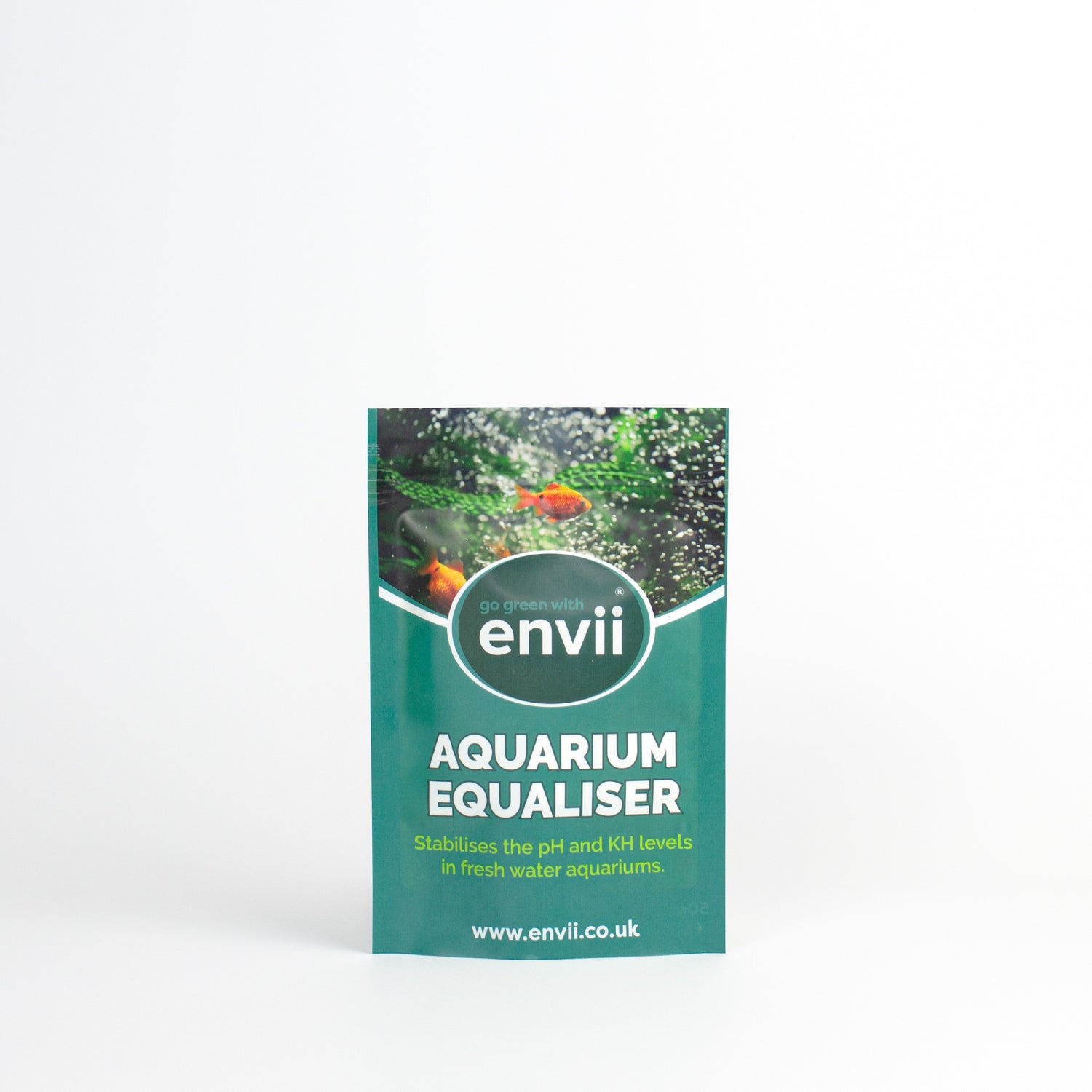
Tip: Ensure your aquarium water is balanced and safe with Aquarium Equaliser, a powerful blend of minerals designed to stabilize key water parameters for your freshwater fish.

What Is a Saltwater Aquarium?
A saltwater aquarium is a more specialised tank that mimics the ocean environment to keep marine fish, invertebrates and corals. These tanks require salt water that has usually been mixed with synthetic marine salt, specific lighting and a robust filtration system.
Saltwater for a fish tank is primarily obtained by using Reverse Osmosis (RO) water and mixing it with synthetic reef salt. You can buy the water and the reef salt individually, or you can buy it as a bundle – along with the equipment needed to mix it – from specialised retailers.
Saltwater can be purchased already mixed from aquatic shops, or it can be ordered from retailers who sell filtered seawater for delivery. Tap water is not suitable for a saltwater tank as it contains contaminants that are harmful to marine life and cause algae blooms within the tank.
Equipment you will need for a saltwater aquarium:
- Tank and Stand – A larger tank, typically over 40 gallons, provides greater stability in water chemistry, although smaller systems are often chosen by beginners.
- Lighting – reef specific LED lighting is necessary for coral growth – full spectrum fixtures with high blue/violet intensity.
- Filtration – filtration for a saltwater tank involves various pieces of equipment such as a protein skimmer, mechanical filters, chemical filters and biological filters. A sump placed under the tank is recommended for hiding filter equipment.
- Protein Skimmer – makes up part of the filtration system and is essential for removing organic compounds and waste.
- Water Movement – wave makers or power heads are required to mimic the ocean current and prevent dead spots in the water.
- Heating and Temperature Control – a heater and reliable thermometer is essential to keep the water at the optimal temperature for marine fish.
- Substrate and Rock – live rock or dry rock is needed for biological filtration as part of the wider filtration system.
- Refractometer – important for accurately measuring salinity in the water.
- RODI system – produces pure water and prevents algae issues from tap water (if used – although not recommended).
- Test Kits – essential for monitoring parameters of the water such as pH, ammonia, calcium, nitrite and nitrate.
- Tools – needed for water changes and cleaning the tank, you’ll need a mixing bucket, algae scrapers or magnets, nets and siphons.

Saltwater aquariums are usually recommended for more experienced owners due to the more complicated chemical precision of the water. The water chemistry is vital for the life of marine fish, and especially tanks with corals. The aim is to mimic the stability of natural seawater and keep parameters narrow.
Parameters to be measured are:
- Alkalinity
- Calcium
- Magnesium
- Salinity
- pH
- Temperature
- Nitrate
- Phosphate
- Ammonia
- Nitrite
- Potassium
- Iodine
- Strontium

With such a variety of things to be monitoring regularly, saltwater aquariums can be daunting to most. But a saltwater aquarium can be worth all the effort when you see such beautiful marine life thriving. Hardy and reef safe fish that are suitable for beginners include Clownfish, Blue-Green Chromis, Royal Gramma, Bangai Cardinalfish and Firefish Goby. You can also add Snails, Hermit Crabs and Starfish as well as soft corals such as Toadstools, Finger Corals and Tree Corals.

Key Differences Between Freshwater and Saltwater Aquariums
|
Aspect |
Freshwater Aquarium |
Saltwater Aquarium |
|
Setup Cost |
Low to moderate (£100–£300) |
High (£300–£1000+) |
|
Equipment Requirements |
Basic (filter, heater, lighting) |
Advanced (protein skimmer, RO/DI system, specialised lighting) |
|
Maintenance Complexity |
Easier and more forgiving |
More complex and precise |
|
Fish & Livestock Variety |
Wide range of beginner-friendly species |
Highly diverse, including corals and invertebrates |
|
Water Chemistry |
Simple to manage |
Requires careful monitoring and adjustment |
|
Tank Stability |
Generally stable |
More sensitive to changes |
The Nitrogen Cycle (Why It Matters)
Before adding any fish, every aquarium must go through a crucial process known as the nitrogen cycle. This is the foundation of a healthy aquarium and ensures that harmful waste is safely broken down. Without it, fish are exposed to toxic conditions that can quickly become fatal.
How the Nitrogen Cycle Works
In any aquarium, waste begins to build up almost immediately. This waste comes from fish, uneaten food, and decaying plant matter. The nitrogen cycle is the natural process that converts this waste into less harmful substances through beneficial bacteria.
The process happens in three key stages:
-
Ammonia Production (Highly Toxic)
Fish produce waste that releases ammonia into the water. Even small amounts of ammonia are extremely toxic and can burn fish gills, damage organs, and lead to death. -
Nitrite Formation (Also Toxic)
As the aquarium matures, beneficial bacteria begin to grow. These bacteria convert ammonia into nitrite. While this is progress, nitrite is still very harmful to fish and must be reduced further. -
Nitrate Formation (Less Harmful)
A second type of beneficial bacteria develops and converts nitrite into nitrate. Nitrate is much less toxic and can be managed through regular water changes and plant absorption.
Why Cycling Is Essential
The nitrogen cycle doesn’t happen instantly. It typically takes 2 to 6 weeks for enough beneficial bacteria to build up and stabilise the system. During this time, the aquarium is considered “cycling.”
Adding fish too early, before the cycle is complete, exposes them to dangerous spikes in ammonia and nitrite. This is often referred to as “new tank syndrome” and is one of the most common causes of fish loss in beginner aquariums.

Which Aquarium Should You Choose?
If you’re new to fishkeeping, a freshwater aquarium is the best place to start. It’s more affordable, easier to maintain, and far more forgiving when mistakes happen.
Saltwater aquariums are better suited to hobbyists who are prepared to invest more time, effort, and money. While they can be more challenging, they also offer a level of beauty and diversity that freshwater systems simply can’t match.
Final Thoughts
Choosing between a freshwater and saltwater aquarium ultimately comes down to your goals, experience, and commitment. Freshwater setups provide a simple and rewarding introduction to the hobby, while saltwater aquariums offer a more advanced and visually striking experience. Whichever you choose, taking the time to understand your aquarium’s needs will set you up for long-term success and allow you to enjoy a thriving underwater world in your own home.