Collecting rainwater is one of the easiest ways to make your garden more sustainable, reduce water usage and provide your plants with a natural source of water. But to get the most from a water butt, it's important to position it correctly and keep the water clean.
Where to Position Your Water Butt
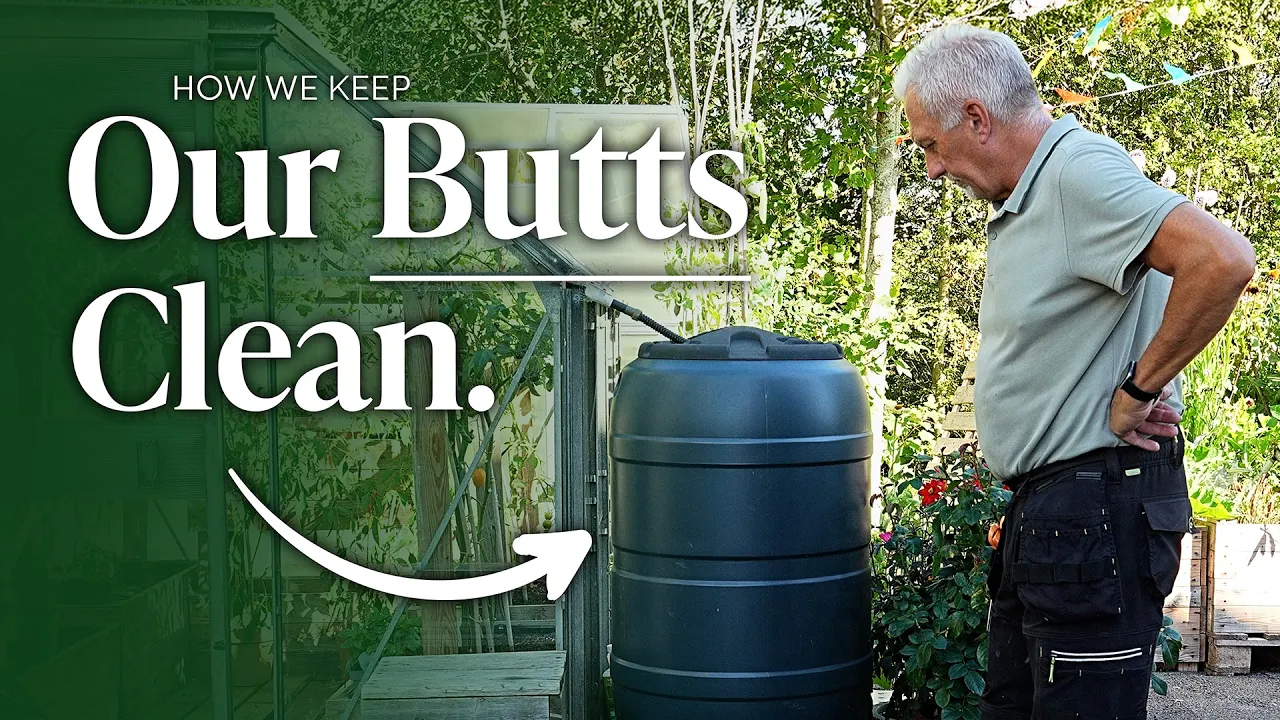
Ideally, a water butt should be positioned close to a downpipe, allowing rainwater from your roof or greenhouse to flow directly into it.
Choose a firm, level surface that can safely support the weight of a full water butt. Raising it slightly on a secure stand also makes it easier to fit a watering can underneath the tap.
If possible, position your water butt in a shaded area. Direct sunlight can warm the water and encourage algae growth, particularly during summer.
Keeping Your Water Butt Clean
One of the simplest ways to maintain clean water is to keep the lid securely fitted. This helps prevent leaves, insects and other debris from entering, while also reducing sunlight exposure and preventing animals from falling in.
Adding a small piece of mesh over the inlet pipe can catch leaves and debris before they enter the water. Remember to check and clear this regularly, along with your gutters and downpipes.
It's also worth checking the tap occasionally for leaks, particularly if it gets knocked when filling watering cans.
Cleaning Your Water Butt
Even with regular maintenance, organic material can gradually accumulate inside your water butt, sometimes causing unpleasant smells.
Aim to give your water butt a thorough clean at least once a year, ideally towards the end of the growing season when water levels are lower.
Empty the remaining water, scrub the inside with a little soapy water and rinse thoroughly before reconnecting everything.
Using Water Butt Klear
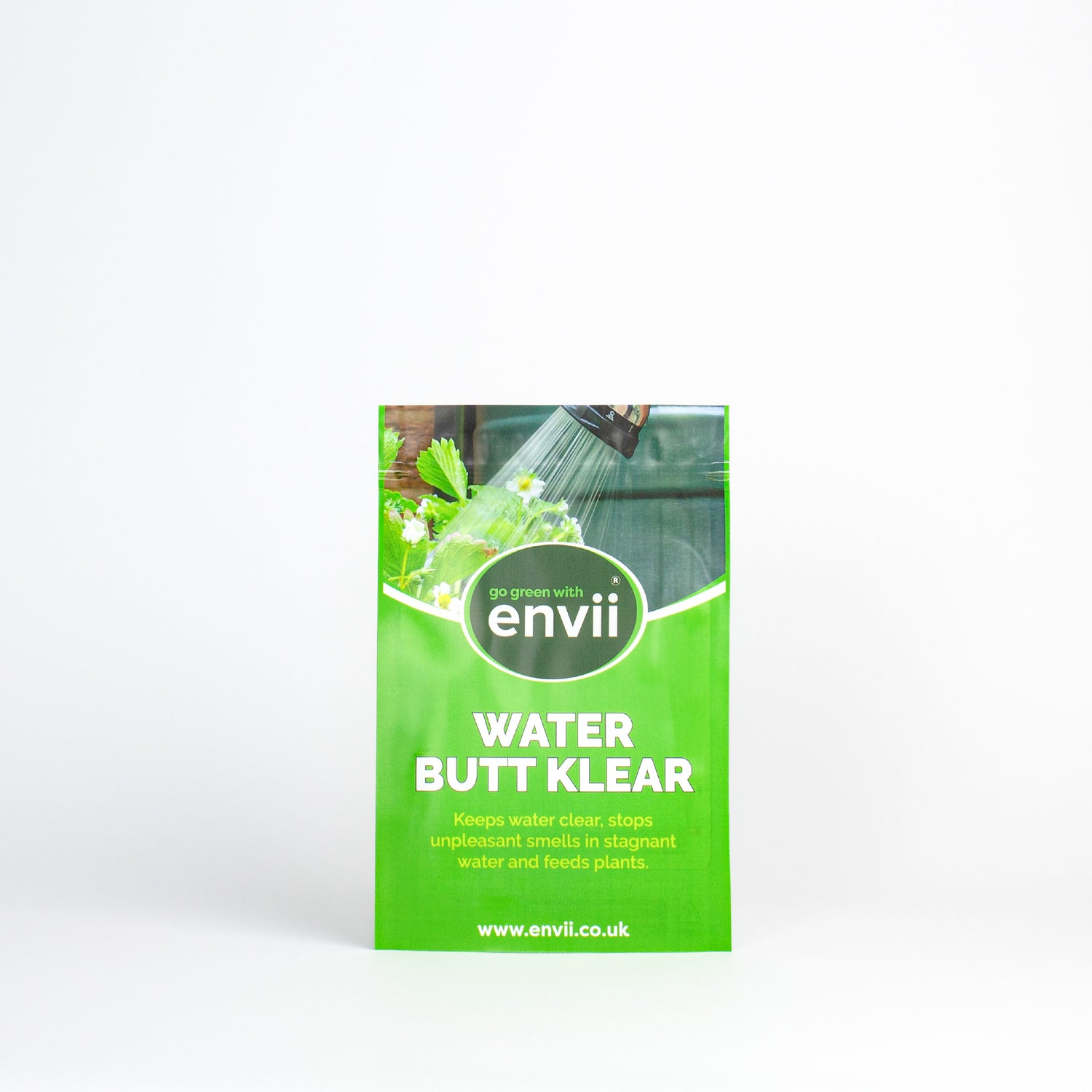
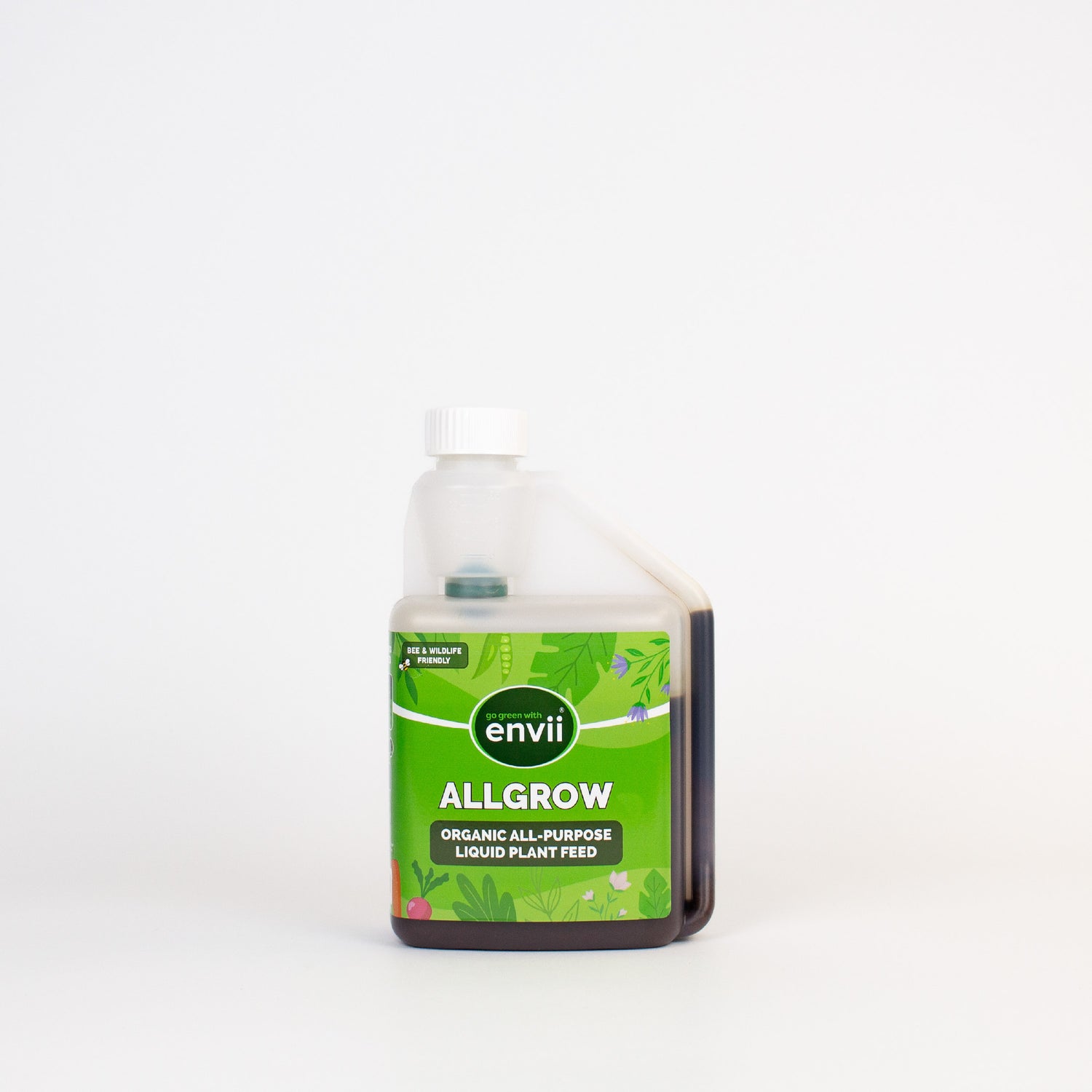
Envii Water Butt Klear can help keep collected rainwater clean by targeting the organic matter responsible for algae, cloudy water and unpleasant smells.
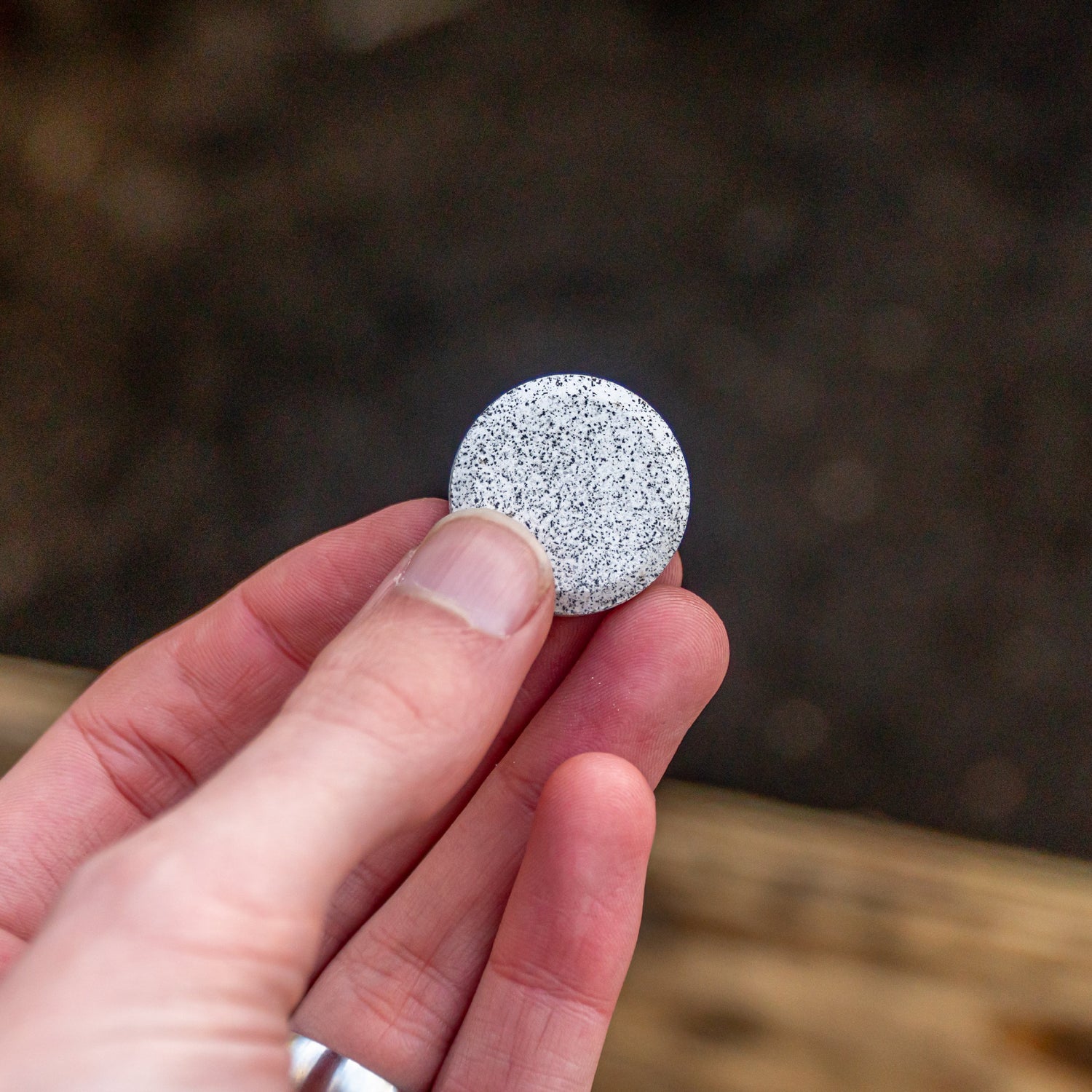
Simply dissolve the tablet in water before adding it to your water butt, following the recommended treatment instructions. The beneficial bacteria help maintain cleaner water while also supporting plant health.
Making the Most of Rainwater
Rainwater is a fantastic resource for established garden plants. It naturally collects nutrients from the atmosphere and doesn't contain the chlorine commonly found in treated tap water.
You can even connect multiple water butts together using an overflow pipe, allowing excess water from one container to flow into another.
The Main Thing to Remember
Water butts are a simple, cost-effective addition to almost any garden, and they require very little maintenance once properly installed.
Keep them shaded where possible, prevent debris from entering, clean them occasionally and maintain the water regularly. With a little care, your water butt can provide a reliable supply of rainwater for many years.