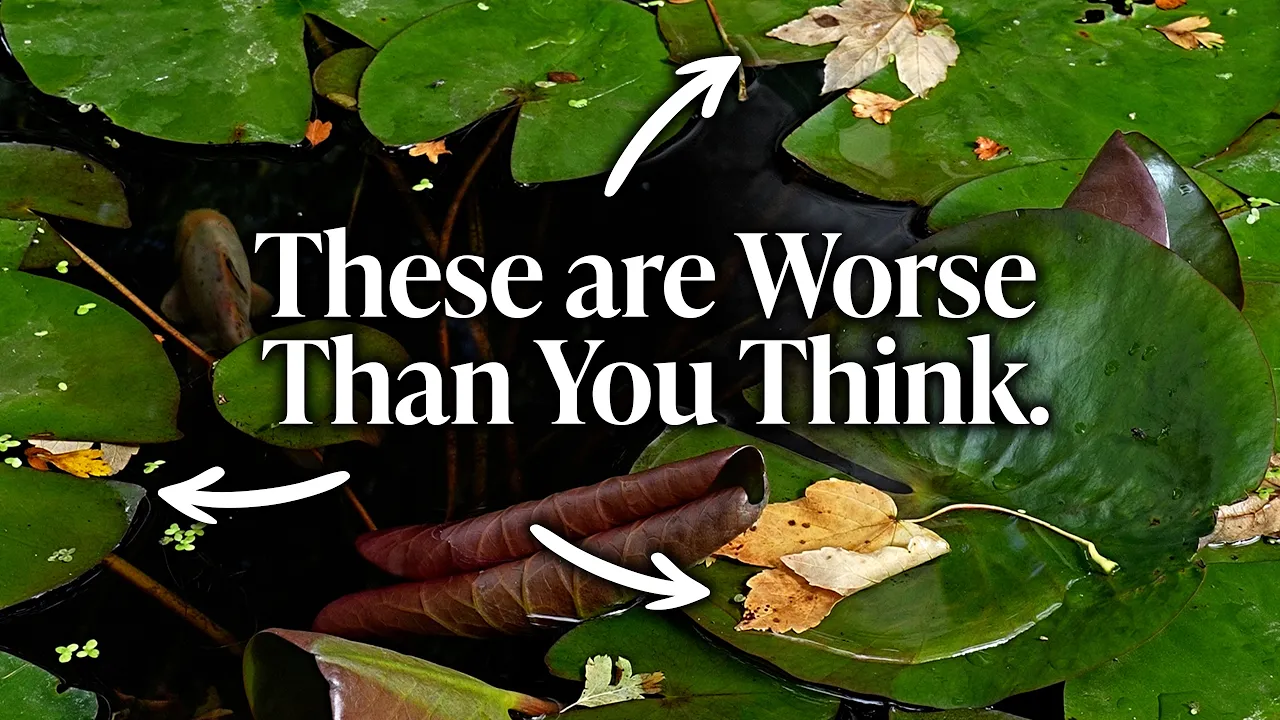
As autumn arrives, falling leaves, dying plants and other organic material can quickly build up in garden ponds. If left untreated, this waste gradually breaks down into sludge, potentially contributing to green water and algae problems the following spring.
Preparing your pond for autumn doesn't need to be complicated. By removing excess organic material, managing existing sludge and preventing more debris from entering, you can help keep your pond healthy throughout the colder months.
Removing Excess Organic Material
The first job is to remove as much loose organic material as reasonably possible before it begins to decompose.
Start by skimming fallen leaves, duckweed and other floating debris from the surface. You can then begin cutting back aquatic plants that are starting to die back or become overgrown.
In our pond, the water mint had spread considerably, so we removed much of the excess growth while leaving some of the shorter, healthier stems in place.
It's important to strike a balance here. You want to reduce the amount of material that will eventually rot in the water without stripping the pond completely bare or unnecessarily disturbing wildlife.
Dealing With Existing Pond Sludge
Once the larger debris has been removed, the next step is to tackle the organic material that's already accumulated at the bottom of the pond.
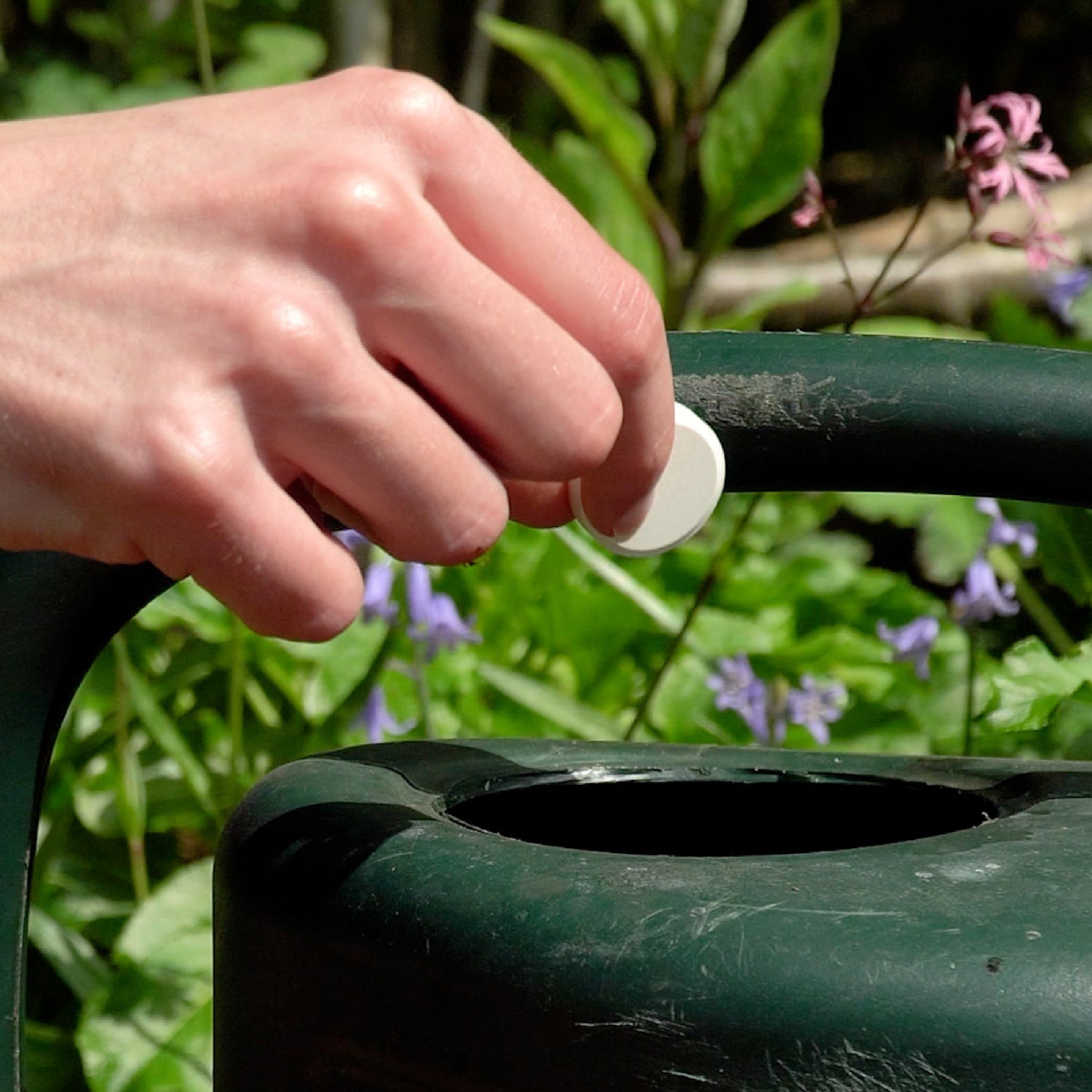
There's no need to physically remove every bit of sediment. A biological pond treatment such as Envii Sludge Klear can help break down the organic waste that can't easily be scooped out.
Don't be alarmed if the water initially looks cloudier after carrying out maintenance. Disturbing plants and debris can temporarily stir up sediment from the bottom, which will gradually settle again.
It's also worth checking your pond's water parameters to ensure conditions remain stable as temperatures begin to fall. You can do this by using Envii Pond Test Strips, then, if anything needs stabilising, you can use Envii Pond Equaliser.
Preventing More Leaves From Entering
With the pond tidied and existing waste being treated, the final step is to minimise the amount of new debris entering during autumn.
Pond netting is one of the easiest ways to prevent falling leaves from reaching the water. You can use a conventional net secured around the edges or create a raised frame to support it above the pond.
Whichever method you choose, make sure wildlife can still move safely around the pond without becoming trapped in the netting.
The Main Thing to Remember
Autumn pond care is less about making everything look perfect and more about preparing your pond for winter and the following spring.
Remove excess vegetation and fallen leaves, manage accumulated sludge and take steps to prevent more organic waste from entering.
You don't need to remove every plant or disturb every part of the pond. A little careful maintenance now can make a big difference to the health and appearance of your pond next year.